
PR12/26 | KTP calls for Grade 1 scheduling of Palazzina Vincenti and its expropriation for public use
The Kamra tal-Periti is calling on the Planning Authority to urgently upgrade the scheduling of Palazzina Vincenti in St Julian’s from Grade 2 to Grade 1, in view of the building’s clear cultural value. The Kamra is also calling on Government to expropriate the building and adapt it for public use, so that it can serve as a place for community and cultural activity.
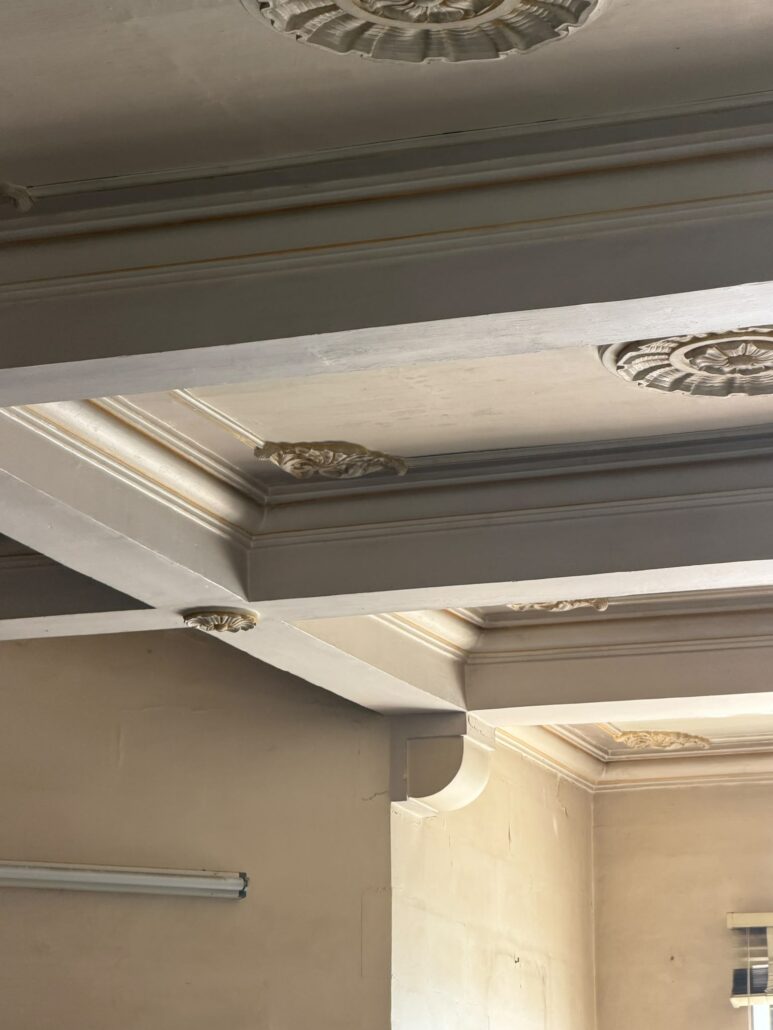
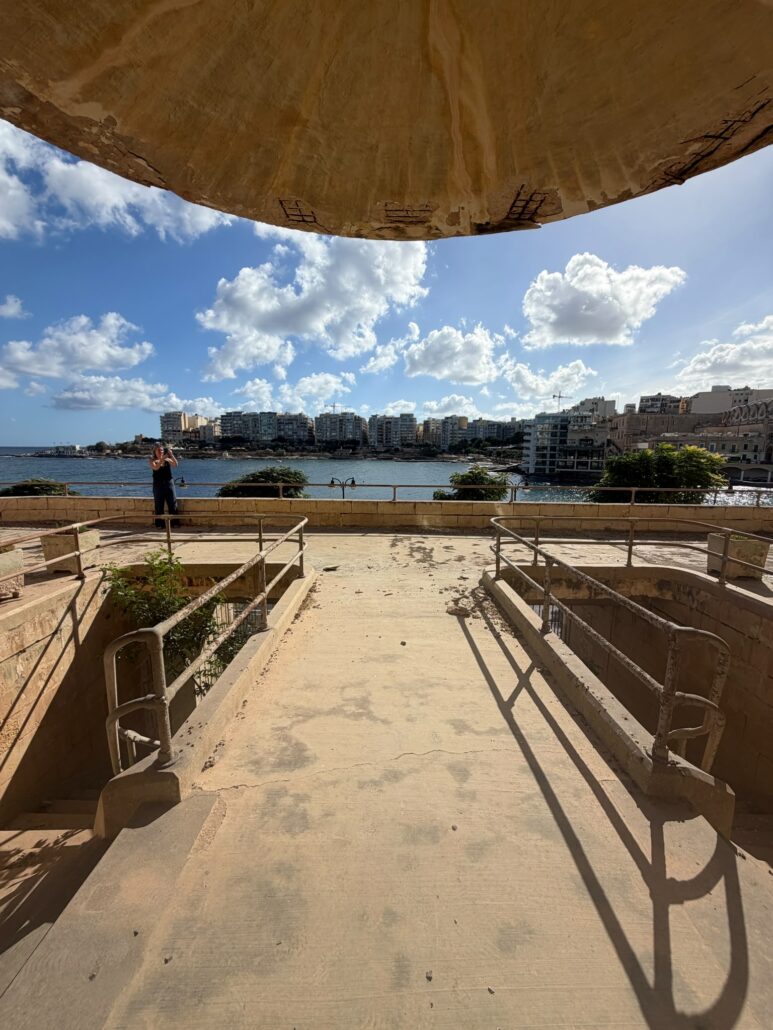
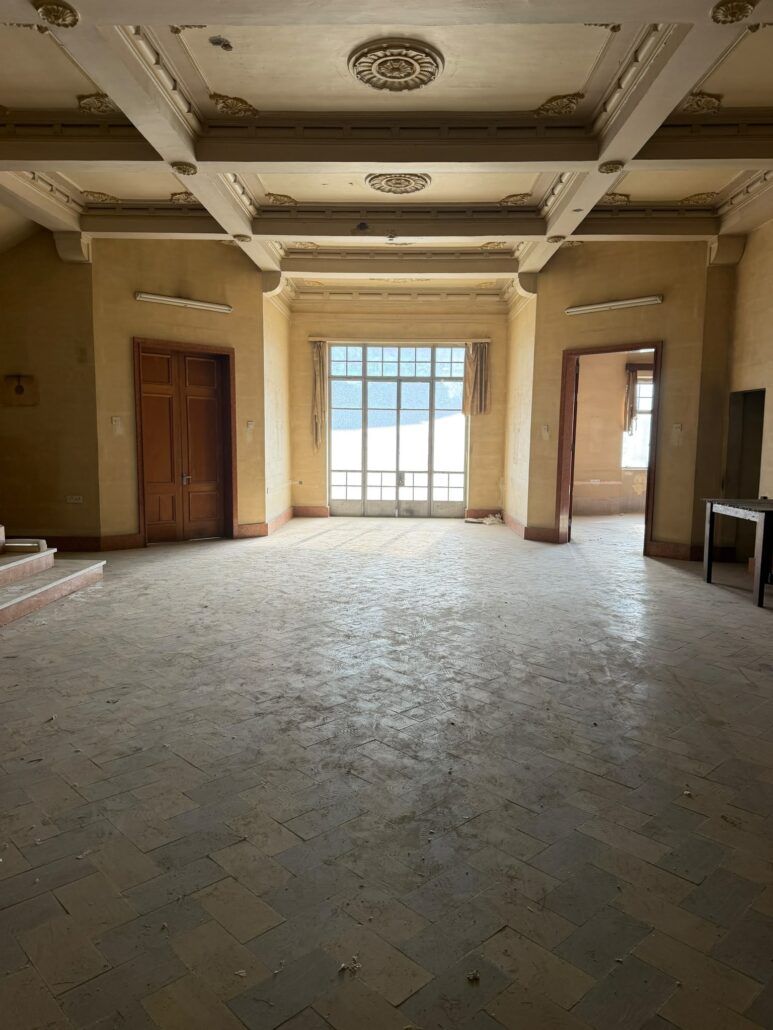
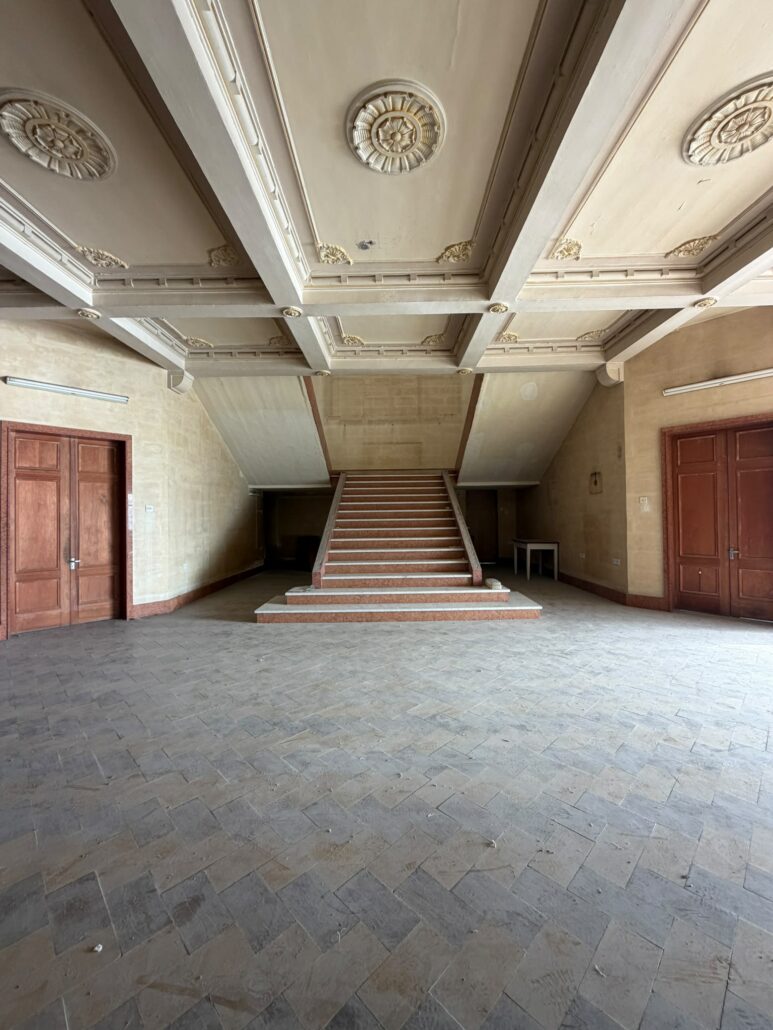
Gustavo R. Vincenti, one of Malta’s most important architects of the twentieth century, designed the building in the post-war years as his own home. He moved in in 1952 and lived there until his death in 1974. The building is widely seen as one of the finest and earliest examples of Modernist domestic architecture in Malta. Its volumes rise above a podium of garages, with plain limestone walls, long horizontal windows typical of the Modernist style, and semi-circular cantilevered concrete terraces – an engineering feat for the time. Inside are a grand central hall, a monumental reinforced concrete staircase clad in marble, and waffle slab ceilings. A tunnel runs from the house down to the foreshore of the bay.
The Superintendence’s own assessment
In a publicly available Statement of Significance about the building, the Superintendence of Cultural Heritage describes it as “one of Gustavo R. Vincenti’s latest masterpieces, and one of his greatest”. It notes that “the Palazzina is one of the earliest examples of the ‘miracle’ material’s domestic usage”. The Statement concludes that the property is “highly significant in the history of Modernist architecture in Malta, as well as the history of architecture, that of Sliema – St Julians and in the history and evolution of concrete in Malta”. It adds that, as the place where Vincenti lived and died, the building is also “highly significant historically”.
The Kamra believes this assessment calls for more protection than Grade 2 gives. Grade 2 allows extensive internal changes. In this case, that could include demolishing one of the earliest waffle slabs on the island. The building’s significance lies as much in its structure and interior as in its façades. The staircase, the cantilevers and the early use of reinforced concrete are the very features the Superintendence singles out. Protection that covers the exterior but leaves these elements exposed does not match the value that has been officially recognised.
A building for the public
Scheduling protects a building from harm, but it does not secure its future. The Kamra believes that a building of this importance should belong to the public. Government should expropriate Palazzina Vincenti and carefully restore and adapt it for use by the community.
Several uses would suit the building. It could house the St Julian’s Local Council, giving the locality a civic seat worthy of its heritage. It could also provide space for the area’s cultural community, including local cultural groups, artists and voluntary organisations. Alongside these, it could host exhibitions, talks and events that help the public learn about Malta’s Modernist architecture and the work of Gustavo Vincenti.
The Palazzina’s position on Balluta Bay, its generous interior spaces and its direct link to the foreshore make it well suited to such a role. Public ownership would let the building be studied and enjoyed by everyone, rather than seen only from the street. It would also bring a valuable civic and cultural asset to the St Julian’s area, which has very little public space.
Protecting every chapter of our architectural history
The Kamra tal-Periti has long argued for the protection of Modernist architecture in Malta. It has done so for the Qala school, the Milk Factory by Huntingford and the Sea Malta building, among others. Palazzina Vincenti is perhaps the most important example of this period still standing.
Malta’s built heritage did not end with the Baroque or the nineteenth century. The Modernist movement of the mid-twentieth century reflected a time of deep change on the islands: post-war rebuilding, new building technologies and a confident move towards an international architectural language. These buildings are part of our story too. They deserve the same care as those of earlier periods, and they are often more at risk because they are newer and less widely appreciated. If we protect only the older layers of our history, we leave future generations an incomplete record.
The Kamra therefore calls on the Planning Authority to act without delay and give Palazzina Vincenti the Grade 1 protection that its significance clearly warrants. It also calls on Government to take the building into public ownership and make it available for the benefit of the community.
All photos provided by Perit David Ellul