,

SHARE Malta 2026 International Architecture Forum: Sustainability, Heritage and Coastal Urbanism

Following the success of its inaugural 2025 edition, the SHARE forum returns to Malta, evolving from a pilot initiative into a definitive platform for the Mediterranean region. While last year’s agenda established the foundations of quality of life and showcased large-scale developments led by Foster + Partners and Zaha Hadid Architects, the 2026 edition marks a significant evolution, pushing the architectural discourse even further

We have reached a critical tipping point where climate change is no longer a distant threat but a tangible reality. In the Mediterranean, record-breaking temperatures are shifting architecture from a realm of aesthetic preference to a mandate for climate adaptation. The most compelling narrative today is the collision between the grand visions of international ‘starchitects’ and the granular reality of the local landscape. While global experts propose revolutionary concepts, local practitioners must navigate the friction of spatial scarcity, stringent regulatory frameworks, and the profound responsibility of historical preservation.

In this context, the SHARE forum seeks to provide the industry’s answer to the crucial question: how can we build today in a way that we won’t regret tomorrow?

Moving beyond conceptual presentations, this year’s edition focuses on a rigorous analysis of industry practices. We are navigating the friction between the pursuit of luxury and the preservation of memory, as well as the gap between mere development and true sustainability. Our objective is to catalyse a genuine shift in how we shape the modern urban fabric.


Is this a date?


On Friday, May 22, 2026, the SHARE forum returns to Malta, hosted by the DoubleTree by Hilton in St. Paul’s Bay, a landmark formerly known as the Dolmen Hotel.

At its core, beyond the technical specifications, SHARE Malta 2026 is fundamentally a summit on the transformative power of space. The forum explores how intelligent design can recalibrate a region’s entire identity, turning overlooked structures into thriving economic and cultural landmarks

The day offers a comprehensive agenda of technical sessions and expert panels, followed by an immersive cultural excursion to a nearby archaeological landmark at 6:00 PM. The forum concludes with the SHARE Malta After Event Party at 7:30 PM, providing guests with a relaxed, open-air atmosphere to foster professional connections and celebrate the day’s insights.


Who will be there?

The event brings together

  • Visionary Architects who design with centuries-long legacies in mind;
  • Institutional Leaders representing professional associations from Malta, Kosovo, and Egypt;
  • Strategic Developers and Officials—the decision-makers shaping budgets and landscapes;
  • You


Three core pillars

The event is structured around three core pillars, each reflecting the urgent challenges and transformative potential of today’s global urban landscape:

  1. Identity-Based Rehabilitation (Building on Memory): The central issue here is how to graft ultra-modern architecture onto historic structures without destroying the spirit of the place. This is a critical issue for Malta (an island-museum) and for the rest of Europe;


  1. Large-Scale Urban Planning (Master Planning): this segment focuses on the concept of ‘cities within cities’ and serves as the forum’s premier showcase. We will explore multi-billion-dollar benchmarks from Asia and the Middle East, ranging from Zaha Hadid Architects’ iconic hospitality landmarks in Dubai to the visionary cultural districts in Shenzhen designed by 2Portzamparc;


  1. Beyond Greenwashing: this is the ethical approach. Architects acknowledge that simply adding plants to a facade does not equate to sustainability. The focus will be on innovative materials (laminated wood, disruptive technologies) that genuinely reduce the carbon footprint.


Key discussion themes and speakers

How can architecture be used as a city branding tool?

Architectural landmarks designed by firms such as Zaha Hadid Architects or BIG (Bjarke Ingels Group) significantly bolster the market value of their surroundings. In this light, the forum will examine urban regeneration initiatives that pivot industrial or neglected districts into premier global destinations. The discussion will also explore how iconic architecture has become a decisive factor in the strategic competition between cities to attract talent, tourism, and investment


  • Anat Stern (Zaha Hadid Architects) will explore how projects such as Alba Residences in Dubai and Studio City in Macau are attracting foreign investment and luxury tourism. ZHA’s fluid, unmistakable style serves as a mark of prestige.


  • Rex Bombardelli (2Portzamparc) will offer a uniquely French perspective on large-scale cultural infrastructure, drawing on landmark projects such as the Suzhou Cultural Centre in China. His presentation will dissect how monumental cultural investments can serve as economic engines, revitalising entire regions through the ‘Bilbao Effect’


  • Hanna Johansson (BIG) will speak about “hedonistic sustainability”, meaning the idea that a sustainable building can also be highly profitable and visually appealing, thereby changing perceptions of business districts.


How to navigate the friction between innovation and local identity?


Under the banner of ‘Building on Memory,’ the forum addresses the sensitive intersection of heritage and gentrification. The challenge lies in introducing luxury and modern infrastructure into historic settings without compromising their cultural authenticity. The experts will argue that innovation, far from being a threat, is the essential mechanism for adaptive reuse, saving heritage from decay. This is especially pertinent in the Maltese context, where a scarcity of space meets an abundance of history at every turn


  • Paolo di Nardo (ARX), who is an expert on the Italian context (which is very similar to the Maltese one), will present case studies such as Stella Maris, demonstrating how modern technology can be integrated into historic structures to extend their lifespan without altering their identity.


  • Javier Villar (JVAD), who has over two decades of experience working alongside Kengo Kuma in Japan, will discuss minimalism and respect for local materials. He will explain how the Japanese aesthetic of fragility and transparency can be applied to allow historic monuments to breathe alongside new structures.


  • Emre Arolat (EAA) has redefined how we build in historically sensitive contexts. Using his landmark Museum Hotel Antakya as a blueprint, he will illustrate his philosophy of architectural coexistence. Arolat’s session will prove that historical layers are not obstacles to progress; rather, they are assets that, when handled with vision, can turn a complex site into a world-class landmark that honours its heritage


The Green Pivot

Acknowledging that architecture remains one of the world’s most carbon-intensive industries, this year’s forum adopts a rigorous stance: ‘Beyond Greenwashing.’ The focus shifts from superficial labels to substantive change, exploring alternative materials and the concept of adaptive longevity. The goal is to design buildings that can be repurposed in 50 years rather than demolished. Furthermore, the discussion will focus on bioclimatic design. How can the architecture harness the Mediterranean sun and wind as assets, rather than relying on energy-heavy systems for climate control


  • Jeremy Smith (Irving Smith Architects), a global pioneer in sustainable materials, will showcase the SCION Timber Innovation Hub. He will present Mass Timber (CLT—Cross-Laminated Timber) as the viable, carbon-sequestering alternative to concrete and steel for high-rise construction. Smith’s presentation will illustrate a fundamental shift in the industry, moving toward buildings that act as ‘carbon sinks,’ storing CO2 within their very structure rather than emitting it during production.


  • Ken Mackay (Mackay + Partners) will introduce the concept of ‘architectural camouflage’ through the lens of the Comporta Eco Resort project. The focus remains on buildings designed to be nearly invisible, blending into the Portuguese coastal landscape with surgical precision. This session will highlight a shift toward low-impact development, where the goal is no longer to dominate the site, but to inhabit it with profound environmental sensitivity.


  • Iman Gawad (African Union of Architects) will offer a critical perspective on sustainability in arid climates, explaining why green solutions from Europe do not always work in Africa or the Mediterranean, and how vernacular design is, in fact, the most environmentally friendly.


Participation Details

Registrations are open for professionals and technology partners.

Full details and the agenda are available on the event website: share-architects.com.

About SHARE Architects

SHARE Architects is an international platform dedicated to promoting excellence in architecture and facilitating professional dialogue on a global level. By organizing conferences, forums, and networking events across Europe, Central Asia, and the Middle East, SHARE Architects brings together renowned architects, industry leaders, and professionals from related fields, contributing to the exchange of ideas, innovation, and best practices. Over time, the platform has become an important landmark for the architectural community, supporting sustainable development and the quality of the built environment.


,

CIR 01/26 | Construction Industry Skill Card

The Council refers to an email sent out by the BCA to periti on 24th March 2026 with details on how to apply and pay for a skill card. The email goes on to say that anyone not in possession of such a card will not be allowed to enter a construction site, including during the finishing stages.

After further inquiries, it emerged that the BCA is informing members of the profession that the requirement for the possession of a skill card also applies to periti.

It is pertinent to underscore that such obligation does not presently exist. There are indeed no regulations in place stipulating this requirement.


While the Council is in favour of upskilling labourers to ensure that they receive basic awareness training on health and safety risks until they go through further formalised training in their respective trade, periti are governed by a warrant regime based on high-level academic and professional education, and an ad-hoc law and regulator setting significantly higher benchmarks of qualifications and practice standards.


Representatives of the Council met with the BCA yesterday afternoon to clarify the matter. The following points were raised:

  1. The Council was not presented with any draft regulations and has thus never agreed to the imposition of such requirements on periti.
  1. Likewise, the course content has not been reviewed by the Council of the Kamra and has thus not consented to it.
  1. The Kamra tal-Periti, not the Building & Construction Authority, is the legal regulator of periti. The BCA would be stepping outside of its legal scope if it sought to regulate periti.
  1. Banning a perit from entering a construction site means that nobody can enter such a site, irrespective of whether they possess a skill card, since the Code of Police Laws requires that a perit provide general supervision on site.
  1. The Periti Act has provisions which are expected to be brought into force over the coming months that introduce mandatory continuous professional development. The CPD framework had been presented to periti during a workshop held in July 2024 and adopted in its final draft by the AGM in December 2024. Among the mandatory core subjects to be introduced is a specific course on risk management and H&S.


The BCA agreed to review the matter and will revert in due course. The BCA also clarified that the regulations pertaining to skill cards are still being drafted.

Meanwhile, periti are advised to await further communication from the Council on the matter.


Photo source: PRNS
,

PR 03/26 | KTP Council completes investigation into the partial wall collapse in Bulebel Industrial Estate

Verżjoni bil-Malti

With reference to the press release issued on 18th March 2025, the Council of the Kamra tal-Periti hereby gives notice that it has concluded its investigation into whether the partial wall collapse that occurred last year in the Bulebel Industrial estate was the result of professional negligence.

On conclusion of its investigation, the Council determined that the collapse was the result of incorrect sequencing of works by the contractor, including the failure to infill and seal the perimeter walls, which were designed to support a slab before being cast.

The Council also noted that the project was characterised by poor workmanship in other areas, most notably mismatched wall joints near one of the corners of the site, due to the failure to build level masonry courses.

From the evidence gathered, it is amply clear that the collapse did not occur as a result of negligent designs or instructions, or more generally due to any professional negligence on the perit’s part.

Indeed, the Council observed that the correct execution of works falls under the exclusive responsibility of the contractor and/or licensed mason, and that it is not the perit’s remit to perform quality control of works on construction sites, as this would constitute a conflict of responsibilities that would transfer the liabilities of the contractor onto the perit, and violate basic principles of impartiality and independence.

In view of the above, the Council unanimously resolved to close this investigation.

,

PR 02/26 | New KTP Council assumes office during critical year for the industry and the profession

Verżjoni bil-Malti

The Kamra tal-Periti, the statutory body regulating and representing the architectural and civil engineering profession in Malta, is pleased to announce the composition of its recently elected Council following the appointment of its official statutory leadership positions as follows:

PresidentPerit André Pizzuto
Vice PresidentPerit Matias Camilleri de Marco
Honorary TreasurerPerit Ivynne Grixti
Honorary Secretary Perit Julian Thompson
Council Members Perit Paul Dalli

Perit Elaine Genovese

Perit Sebastian Grima

Perit Daniel Micallef

Perit Lino Micallef

Perit Malcolm Xuereb

The new Council, which will serve until December of this year, assumes office at a defining moment, not only for the profession, but for Malta’s construction industry more broadly. The Council’s term will be defined by a wide-ranging programme of legislative, regulatory, and policy work with direct consequences for the profession, the industry, and the Maltese public.

Chief among the Council’s priorities is the drafting of the first part of the new building and construction regulations on behalf of the Building and Construction Authority. This work represents foundational legislation that will modernise the regulatory framework governing how buildings are designed, constructed, and overseen. The quality and rigour of this framework has a direct bearing on building safety, construction standards, and the protection of the public interest.

In parallel, the Council will initiate the development of Malta’s first national architecture policy with the support of the Planning Authority. This is a landmark undertaking that will establish a long-term vision for architecture as a discipline in the service of the public, the quality of the built environment, and the cultural and social identity of the Maltese Islands. This policy will, for the first time, give formal national expression to the role that architecture plays in shaping the spaces in which people live their daily lives.

The Council will also continue the structural reform of the Kamra tal-Periti in preparation for the full implementation of key provisions of the Periti Act, including mandatory professional indemnity insurance and a framework for continuous professional development. These measures are not merely administrative. They represent a fundamental strengthening of the profession’s accountability to the public, and of the assurance that those engaging the services of a perit can expect.

The new Council will further advance the introduction of new specialisation chapters, building on the announcement of the Chapter for Conservation Architects, unveiled at the first seminar of the ongoing Concrete & Stone series on Maltese Modernist Architecture two weeks ago, as a model for recognising and deepening expertise across the full breadth of the profession.

A further critical area of the Council’s work is its active engagement with Government and the Planning Authority on Malta’s ongoing planning reform. The Kamra tal-Periti has a statutory and professional responsibility to contribute to shaping a planning system that is transparent, evidence-based, and genuinely responsive to the long-term needs of communities and the environment. The Council will continue to advocate for reform that places the quality of the built environment and the public interest at the centre of planning policy and decision-making.

The Council also assumes responsibility for the continuation of ongoing professional conduct investigations, including those arising from serious incidents affecting public safety. Among these is the investigation related to the structural collapse in Paceville in July 2025 which served as a stark reminder about the need to upgrade the industry with purpose, structure, and most importantly, competence. The Kamra tal-Periti is committed to conducting its investigative and disciplinary functions with rigour, impartiality, and transparency, in fulfilment of its duty to protect the public and to uphold the integrity of the profession.

The breadth and gravity of this mandate reflects the centrality of the perit’s role in Maltese society. From the safety of individual structures to the character of entire neighbourhoods, from the resilience of the construction industry to the liveability of our towns and villages, the profession touches the lives of every person in Malta. The Kamra tal-Periti is committed to discharging its statutory responsibility with the seriousness, dedication, and sense of public purpose it demands.

The Kamra tal-Periti looks forward to constructive engagement with Government, the construction industry, fellow professionals, and the general public as it works to fulfil this mandate in the interest of the profession and of the country as a whole.

,

PR 01/26 | KTP calls for identity-driven quality design in the establishment of the three proposed national parks


The Government of Malta’s proposal to establish national parks at Manoel Island, White Rocks, and Fort Campbell provides a significant opportunity to make a fundamental shift towards long‑term environmental stewardship, public accessibility, and cultural regeneration. The Kamra tal‑Periti welcomes this direction while emphasising that the success of these flagship projects depends on rigorous planning, strong design leadership, and a clear identity for each site.

In this context, and as a response to the Government’s Shape Your Space consultation through Parksinmalta.mt, the Kamra tal‑Periti is publishing a comprehensive reply Conserving Nature, Promoting Adaptive Reuse: Sustainable Stewardship of Malta’s National Parks. This publication outlines a vision for national parks in Malta and presents a framework to guide the transformation of these three major sites into Malta’s national parks. 

Conserving Nature, Promoting Adaptive Reuse

The new national parks will only succeed if they are identity‑driven, embedded in a Baukultur principles, and their design procured by competition. The Kamra underscores the importance that the White Rocks, Manoel Island and Fort Campbell develop a unique, context-driven identity, grounded in their history. It is also stresses how across all three sites, existing buildings are to be considered as assets and not obstacles, promoting adaptive reuse. Most importantly, the Kamra calls for open and transparent architecture design competitions, to ensure excellence, transparency and public trust in the procurement of the design services. The organisation of architectural design competition is a guarantee of high-quality design outcomes as it pitches the best design proposals on the basis of merit before an expert jury, as opposed to conventional tenders which award contracts on the basis of cheapest price, which seldom results in the best use of public funds in the long-term.

The Kamra is offering its technical assistance in the organisation and management of architectural design competitions as it has done on a number of occasions with various public entities in the past. Several other key proposals can also be found in its detailed public consultation document.

Executive Summary

The Government of Malta’s proposal to establish National Parks at Manoel Island, White Rocks, and Fort Campbell provides a significant opportunity to make a fundamental shift towards long‑term environmental stewardship, public accessibility, and cultural regeneration. The Kamra tal‑Periti welcomes this direction while emphasising that the success of these flagship projects depends on rigorous planning, strong design leadership, and a clear identity for each site.

Distinct Identity for Each Park

The Kamra strongly recommends that each proposed National Park must develop a unique, context‑driven identity, shaped by its history, landscape, setting, and community relevance. Identity should act as a long‑term design and governance tool, preventing ad‑hoc decisions, avoiding over‑commercialisation, and ensuring spaces remain primarily for public enjoyment rather than revenue‑driven activities. [see section 2]

Regeneration Before Demolition

Existing structures across the three sites should be treated as assets, not constraints. Adaptive reuse provides environmental benefits through reduced embodied carbon, while preserving the cultural narratives embedded in the built fabric. Function must be central to any restoration strategy to ensure long‑term care, daily use, and active stewardship.

Quality‑Led Design Competitions

Given the national significance of the parks, KTP strongly advocates for independent, open design competitions, based on measurable outcomes in sustainability, heritage protection, spatial quality, and Baukultur principles. A two‑stage competition with professional remuneration ensures fairness, ambition, and excellence while reducing future maintenance burdens.

Alignment with Baukultur

The Baukultur framework reinforces a holistic, human‑centred approach to the built environment. For the National Parks, this requires:

  • Integrated planning of architecture, landscape, mobility, and heritage
  • Inclusive, accessible design for all ages and abilities
  • Long‑term stewardship, not short‑term intervention
  • Interdisciplinary collaboration and meaningful public engagement
Connectivity & Spatial Strategy

The parks must become part of a wider national green network. Priority should be given to:

  • Sustainable transport: walking, cycling, public transport, and in coastal contexts, maritime links
  • Restriction of vehicular penetration
  • Strong connections with surrounding communities through formal and informal spaces
Site‑Specific Potentials

The following identity proposals are only indicative, simply to show how each National Park can take on a distinct role within a larger network of public spaces, avoiding overlap and encouraging diversity.

White Rocks – A Coastal Cultural & Educational Park

With an extensive shoreline and a varied collection of buildings, White Rocks is well‑suited for a cultural, educational, and research‑oriented identity. The site can become a national hub for environmental awareness, science, outdoor learning, and adaptive reuse. Its coastal setting supports low‑impact recreation and landscape‑driven design.

Manoel Island – An Urban Park

Manoel Island’s location within a dense urban context positions it as an active city park with strong recreational, sporting, and maritime potential. Its identity should emphasise daily use, walkability, and integration with Valletta, Sliema, and Gżira. Existing military and hospital structures offer significant opportunities for adaptive reuse.

Fort Campbell – A Landscape & Heritage Park

Fort Campbell’s remote coastal setting and unique military fabric lend themselves to a landscape‑led, contemplative park rooted in ecology, memory, and heritage conservation. The site requires sensitive intervention, extensive restoration, and careful phasing due to its fragile condition. Its identity should privilege nature, tranquillity, and minimal built intervention

,

Architecture at the Heart of Europe’s Cultural Future: Insights from Copenhagen

The launch of Denmark’s new architectural policy in Copenhagen provided a platform for European leaders, practitioners, and cultural stakeholders to reaffirm architecture’s expanding role in shaping societal wellbeing, sustainability, and competitiveness. Speakers highlighted that architecture today is inseparable from broader cultural and educational ecosystems. Denmark’s presidency was commended for embedding architecture firmly within cultural policy, positioning it as a driver of innovation, healthy environments, and economic vitality. The discussions underscored that investment in culture and creative industries—supported by programmes such as the International Plus initiative—strengthens the connection between education, real-world design, reconstruction, and the cultivation of resilient communities.

A recurring theme was cultural diversity as a foundational European value. The new Culture Communication document was presented as a milestone in recognising how diverse cultural expressions enrich citizens’ lives, with architecture explicitly referenced as a tool for creating high-quality living environments. Participants emphasised the continuing influence of the Bauhaus movement on modern design and Europe’s reconstruction agenda, setting the stage for the emerging European Powerhouse initiative—a framework aimed at strategically coordinating cultural and architectural ambitions across the continent.

Speakers also addressed pressing challenges confronting Europe’s built environment. Museums face operational and financial strain, while the continent urgently requires a coherent affordable housing strategy. Architecture, they argued, must remain central to public policy to ensure that design excellence and social responsibility drive decision-making. New policies for defence and industrial capacity were discussed, with calls to ensure that cultural and creative sectors are not sidelined. Several pilot projects will be launched to demonstrate the transformative potential of culture in rural and peripheral regions.

Architects and practitioners shared examples of innovative projects illustrating the breadth of contemporary architectural thinking. Presenters stressed the importance of approaching architecture through integrated lenses—landscape, mobility, and strategic urban planning—especially in the context of climate change, social fragmentation, and declining public spaces. High-quality social infrastructure, climate-aligned urbanism, and collaborative design processes were highlighted as effective pathways for creating resilient cities.

International case studies from Denmark, the United States, and Shanghai reinforced the value of working sensitively with existing infrastructure. Projects transforming riverfronts, public transit corridors, and former industrial areas demonstrated how strategic planning principles can enhance connectivity and radically improve daily life for millions.

The European Bauhaus initiative emerged as a unifying thread across the event. Speakers described its mission to integrate sustainability, inclusion, and aesthetics in reshaping urban environments. With broad collaboration involving companies, NGOs, and communities, the initiative is developing shared principles and a manifesto to guide architectural transformation across Europe. The experience of Ljubljana, which applied Bauhaus principles to redevelop a large warehouse district, illustrated the challenges and rewards of participatory and community-driven urbanism.

The Copenhagen discussions converged on a clear message: nature connectedness must be embedded at the heart of Europe’s architectural and urban development agenda. Local initiatives, supported by national strategies and EU-level coordination, are essential to overcome barriers such as limited space, funding, and public resistance. Blue-green infrastructure, community-driven design, and cross-sector collaboration—spanning developers, governments, educators, and civil society—will be vital for building cities that are socially resilient, environmentally regenerative, and culturally meaningful. Continued research, experimentation, and shared learning across Europe will be crucial to advancing this integrated vision for sustainable urban transformation.

Perit Maurizio Ascione and Perit Karl Francalanza (Policy Committee on Architecture Chairperson and Member) represented Kamra tal-Periti at this key event, reinforcing our commitment to policy-driven architecture.


, ,

PR 16/25 | Union of Mediterranean Architects’ General Assembly held in Malta approves KTP motion calling for culturally sensitive and humane reconstruction of Gaza

Over the past two days, the Kamra tal-Periti hosted delegates from Mediterranean architectural associations for a conference on Cultural Resilience and the Union of Mediterranean Architects’ General Assembly. 

On Friday, the UMAR General Assembly adopted the declaration moved by the KTP calling for a culturally, socially, and humanely sensitive reconstruction of Gaza, denouncing any attempts to undertake speculative development unrelated to the endemic population’s needs. 

The motion, presented by KTP President Perit André Pizzuto, calls on the international community to set up an independent international assessment, with the participation of UNHABITAT, UNESCO, and UIA, of the destruction inflicted on Gaza’s built environment, heritage, and civilian infrastructure. 

The motion also calls on “all architects, planners, and built-environment professionals worldwide to uphold their ethical obligation to refrain from participating in projects that contribute to forced displacement, settlement expansion, speculative development unrelated to the endemic population’s needs, or violations of international humanitarian law.” 

On Thursday, KTP organised a conference which investigated the impact of climate change, tourism, and armed conflicts on cultural heritage within the Mediterranean region. European Commissioner for Culture Glenn Micallef and other distinguished international and local speakers delivered inspiring presentations which are expected to form the basis for future international collaboration on regional cultural projects over the months ahead. 


In the pictures, scenes from Gaza and its port, courtesy of Mr Mahmoud Alamour; Palestinian Architect and UMAR Council Member.


, ,

PR 15/25 | Court confirms legality of KTP disciplinary procedures

In a landmark ruling delivered this morning, the First Hall of the Civil Court (Constitutional Jurisdiction), presided over by Justice Henri Mizzi, confirmed that the laws and regulations governing the Kamra tal-Periti’s disciplinary procedures, when taken as a whole, do not infringe the right to a fair hearing.

The judgment followed a request for a constitutional reference filed earlier this year by periti Roderick Camilleri and Anthony Mangion as part of their appeal against the KTP Council’s decision to suspend their warrant due to professional shortcomings related to the tragedy that led to Miriam Pace’s death in 2020.

The appeal centred on  several constitutional matters, including an alleged lack of impartiality arising from the Council’s dual role in conducting preliminary investigations and making disciplinary determinations. The Court found that while this arrangement, taken in isolation, could appear to breach Article 39 of the Constitution and Article 6 of the European Convention on Human Rights, the disciplinary process as a whole – particularly the unrestricted right of appeal to the Court of Appeal – provides full safeguards to periti and satisfies the requirements of a fair hearing.

The Kamra tal-Periti welcomes this judgment and looks forward to further strengthening its disciplinary and regulatory functions in the months ahead, supported by the resources allocated in the recent budget and through partnerships with various public and private entities.

The Kamra underscores the importance of effective and well-resourced professional bodies tasked with self-regulation which is free from political interference is essential to safeguard the public interest and the standing of the profession.

The Kamra was represented in these proceedings by Dr Joseph Mizzi and Dr Ylenia Busuttil of Muscat Mizzi Advocates. This decision is still subject to appeal.


Read also: PR 04/25

,

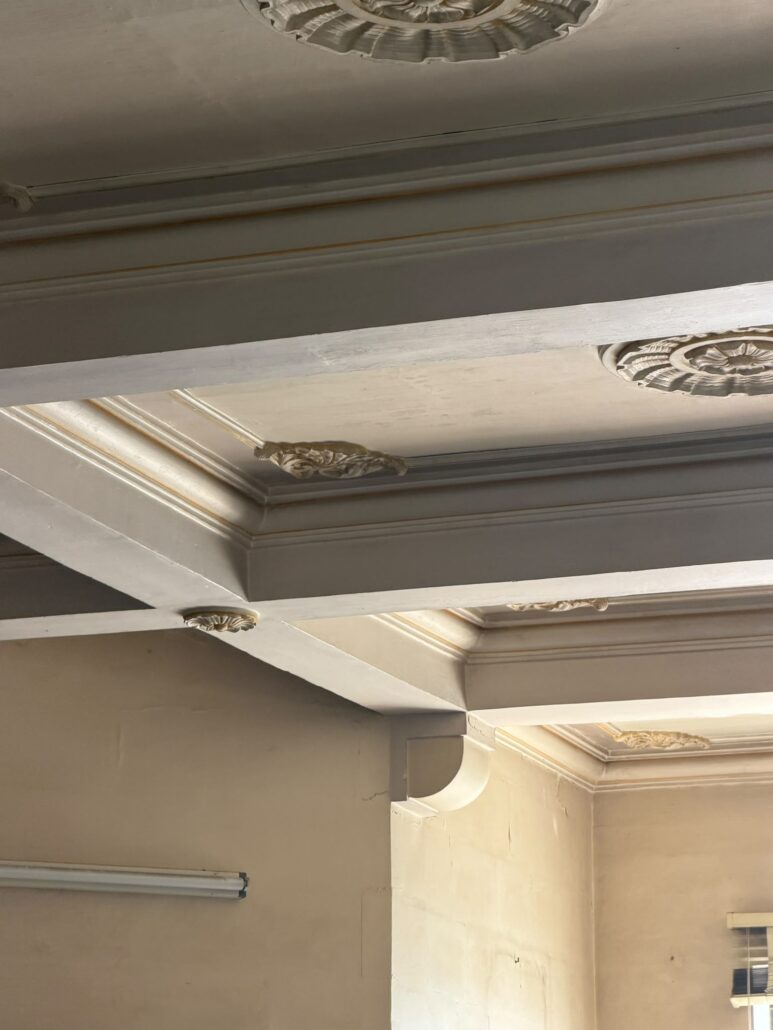
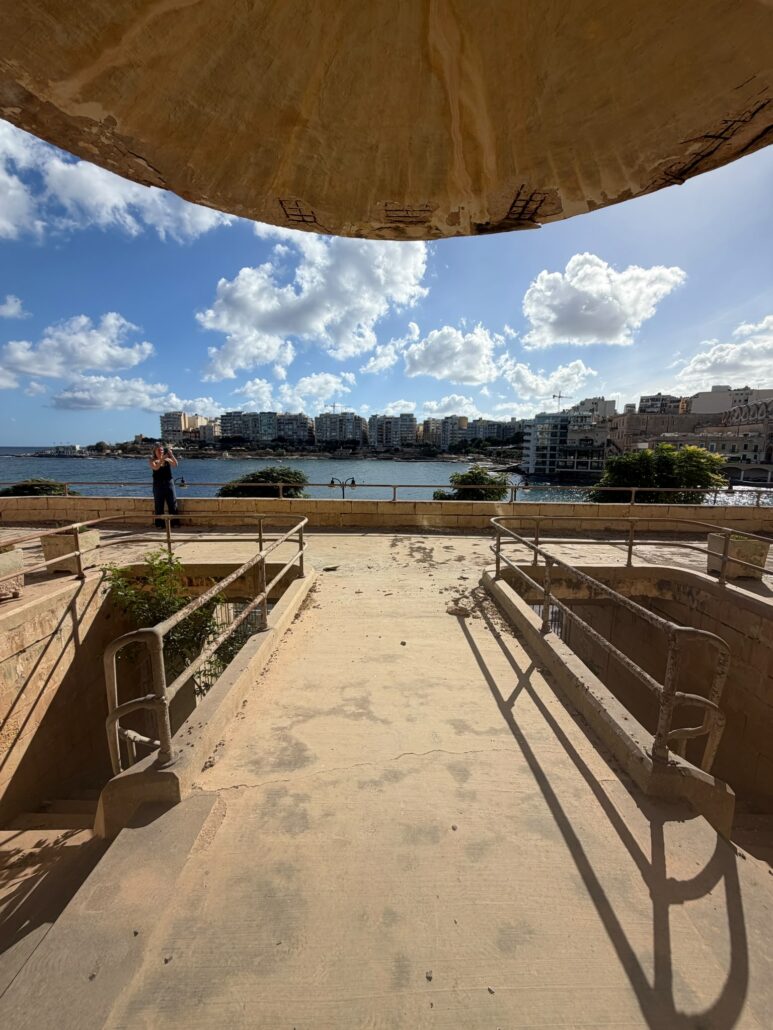
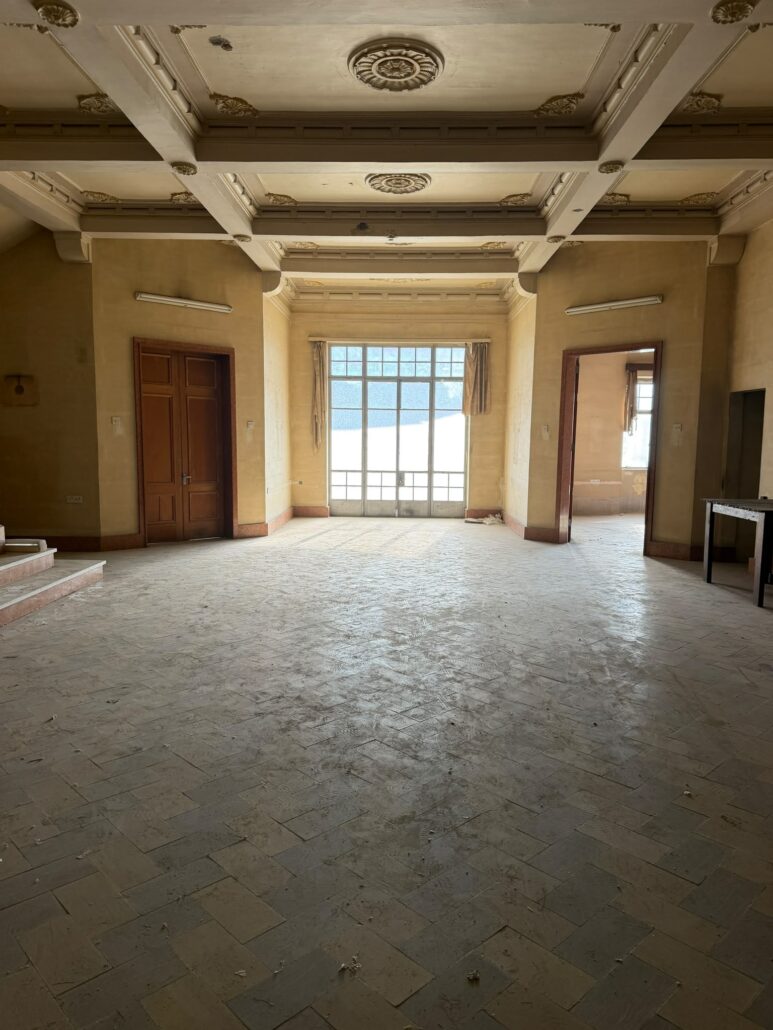
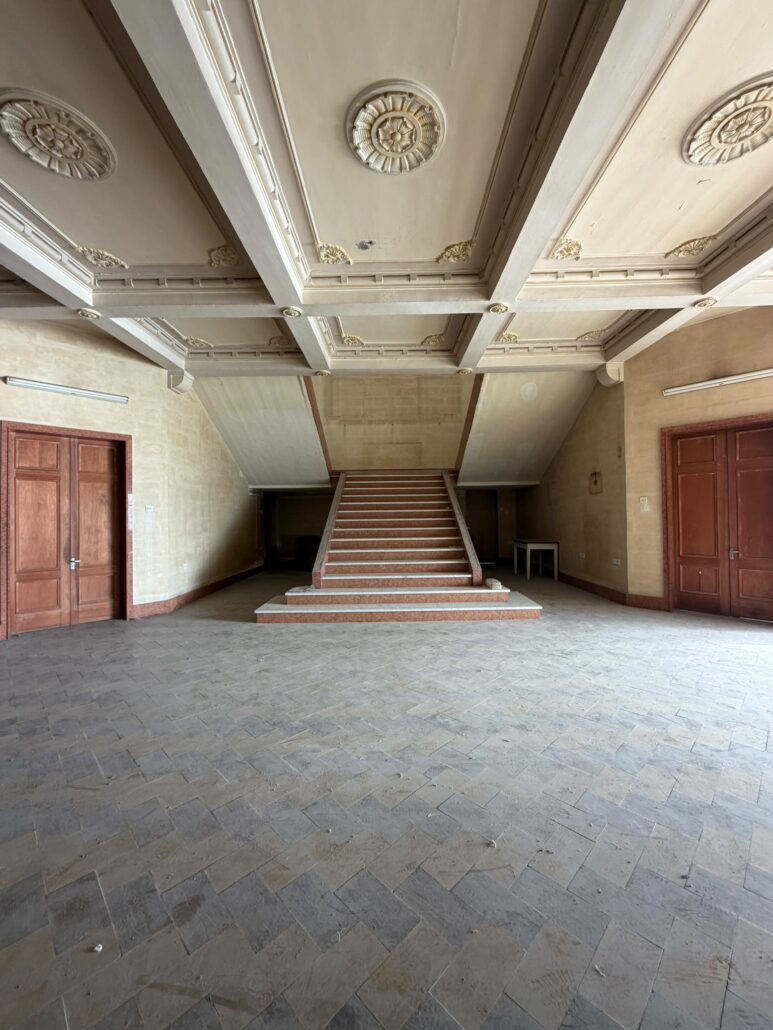
PR 14/25 | Kamra tal-Periti calls for preservation of modernist military heritage at White Rocks


The Kamra tal-Periti welcomes the Government’s recent announcement to designate the White Rocks site as a National Park, a landmark decision that will safeguard this coastal area from future development. This initiative represents a significant step toward environmental stewardship and sustainable land use.

In this regard, the Kamra strongly urges that this vision be extended to include the protection and restoration of the historic White Rocks Barracks, originally known as the Officers’ Married Quarters. Constructed in the 1960s under the War Office Works Directorate. These buildings are a rare example of modernist military and residential architecture in Malta. Designed by leading Maltese and British architects, the complex was celebrated internationally, featuring twice in international magazine The Architectural Review (1965 and 1969) for its “simple dignity” and harmonious integration with the landscape.

The ‘tower-in-park’ design adopted at the White Rocks is a modernist concept, championed by Le Corbusier. Across the European continent, in cities like Berlin, Amsterdam, London, modernist housing estates embraced this concept which placed multi-unit blocks within landscaped areas. This urban design principle of the last century is a direct product of the experimentation and advances of the architecture and technological industries at the time, and it should be protected both as built heritage, as well as cultural landscape

The Kamra tal-Periti supports the Government’s designation of White Rocks as a National Park but insists that the conservation of this complex cannot be a success if either the built or the natural fabric is excluded. Therefore, the Kamra advocates for a wholistic approach towards the area, inclusive of full protection and restoration of the original 1960s barracks. White Rocks is an opportunity for a unique cultural landscape on the islands, and the Kamra trusts that adaptive reuse strategies, serving a cultural and educational purposes, are employed.

The Kamra recommends that:

  • The White Rocks complex is afforded statutory protection under both the Development Planning Act and the Cultural Heritage Act, and
  • That the regeneration project of the area is undertaken through an architectural design competition.


A Brief Historical Timeline

1960s – Built as Officers’ Married Quarters for British military personnel, showcasing modernist design principles.

1979 – British forces withdraw; site handed over to Maltese authorities.

1980s–1995 – Converted into a holiday complex serving language students.

1995 onwards – Site abandoned; multiple redevelopment proposals fail.

2025 – Government announces designation as a National Park.


Images from wikimedia.org

, ,

PR 13/25 | European Union Prize for Contemporary Architecture – Mies van der Rohe Awards 2026 (EUmies Awards)

Following a formal request for nominations from The European Commission and Fundació Mies van der Rohe earlier this year, 410 nominees for the prestigious EUmies award, 2026 were announced last week. Six of the nominees are Maltese projects;

  • Malta International Airport VIP Terminal (Luqa), by Valentino Architects (Hospitality Design Award winner, Premju Galizia 2025)
  • BOTHOUSE (San Ġwann), by SON Architecture (Design Excellence Award winner, Premju Galizia 2024)
  • Casa Ursula (Valletta), by Open Work Studio (Interior Architecture Award winner, Premju Galizia 2024)
  • Twentyfour (Rabat), by 3dmarchitecture (Interior Architecture Special Commendation, Premju Galizia 2024)
  • Casa Gourgion (Mdina), by MODEL CVC architecture (Heritage Preservation Award winner, Premju Galizia 2024)
  • Dar Tereża (Bormla), by Local Office for Architecture (Community Impact Award winner, Premju Galizia 2024)


Initiated in 1988, the Prize is awarded by the European Commission and Fundació Mies van der Rohe. It recognises excellence, innovation, and sustainability in architecture, and highlights the transformative power of design in shaping Europe’s environment and society. All the works participating in the EUmies Awards Architecture & Emerging are nominated by European independent experts, the national architecture associations and the Prize Advisory Committee. The Kamra tal-Periti, as the national association, was asked to recommend 5 projects for this award. The Kamra’s recommendations were selected from the winners of the Premju Emanuele Luigi Galizia 2024. In addition, a sixth project was nominated by the independent experts


This 19th cycle of the Prize, with the support of the European Union’s Creative Europe Programme, brings together 410 works from 40 countries and 143 regions, reflecting the diversity, creativity, and richness of Europe’s architectural landscape. Submitted by a broad network of national architectural associations, independent experts, and the Advisory Committee, the nominations showcase the most significant built works completed between May 2023 and April 2025.


From this list, the jury will identify a shortlist of 40 outstanding projects which will be announced in January 2026, narrowing it down to seven finalists the following month. In spring 2026, jury members will visit the sites of the finalists, engaging directly with architects, clients, users, and local communities. The winners in the Architecture and Emerging Architecture categories will then be unveiled in Oulu—one of the two 2026 European Capitals of Culture—in April 2026, celebrating projects that define the future of European architecture.


The announcement of last week also revealed the jury panel for this cycle, which features Maltese architect Chris Briffa, Founder of Chris Briffa Architects, along Carl Bäckstrand (Sweden), Zaiga Gaile (Latvia), Tina Gregorič (Slovenia), Nikolaus Hirsch (Germany/Belgium), Rosa Rull (Spain) and chaired by Smiljan Radić.


The Kamra wishes the best of luck to all six local nominees in this competition.