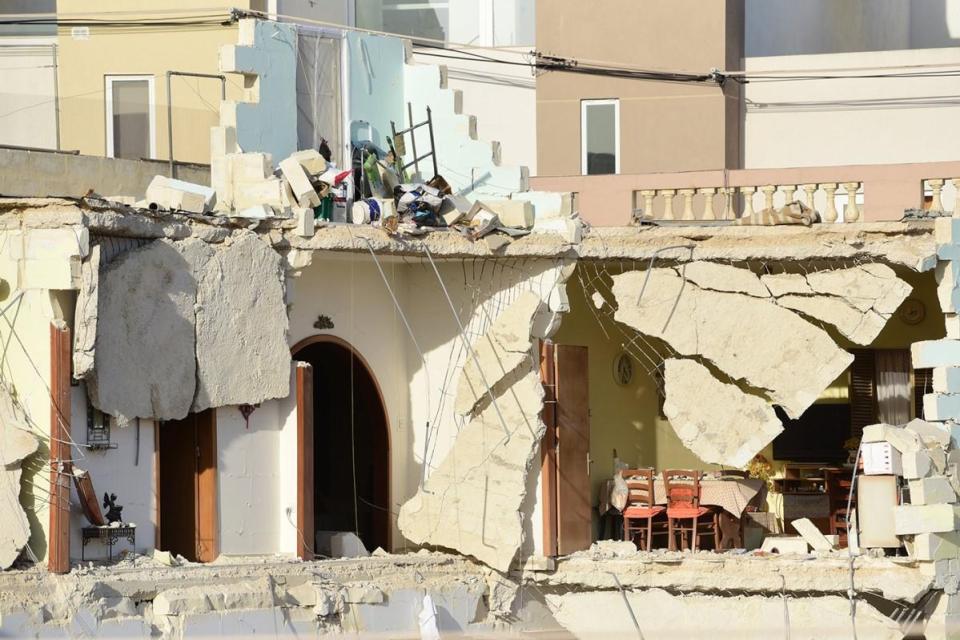
With reference to the press release issued on 18th March 2025, the Council of the Kamra tal-Periti hereby gives notice that it has concluded its investigation into whether the partial wall collapse that occurred last year in the Bulebel Industrial estate was the result of professional negligence.
On conclusion of its investigation, the Council determined that the collapse was the result of incorrect sequencing of works by the contractor, including the failure to infill and seal the perimeter walls, which were designed to support a slab before being cast.
The Council also noted that the project was characterised by poor workmanship in other areas, most notably mismatched wall joints near one of the corners of the site, due to the failure to build level masonry courses.
From the evidence gathered, it is amply clear that the collapse did not occur as a result of negligent designs or instructions, or more generally due to any professional negligence on the perit’s part.
Indeed, the Council observed that the correct execution of works falls under the exclusive responsibility of the contractor and/or licensed mason, and that it is not the perit’s remit to perform quality control of works on construction sites, as this would constitute a conflict of responsibilities that would transfer the liabilities of the contractor onto the perit, and violate basic principles of impartiality and independence.
In view of the above, the Council unanimously resolved to close this investigation.
https://kamratalperiti.org/wp-content/uploads/Bulebel_.png8641536Kamra tal-Peritihttps://kamratalperiti.org/wp-content/uploads/logo-3-300x159.pngKamra tal-Periti2026-03-26 08:25:112026-03-25 21:53:17PR 03/26 | KTP Council completes investigation into the partial wall collapse in Bulebel Industrial Estate
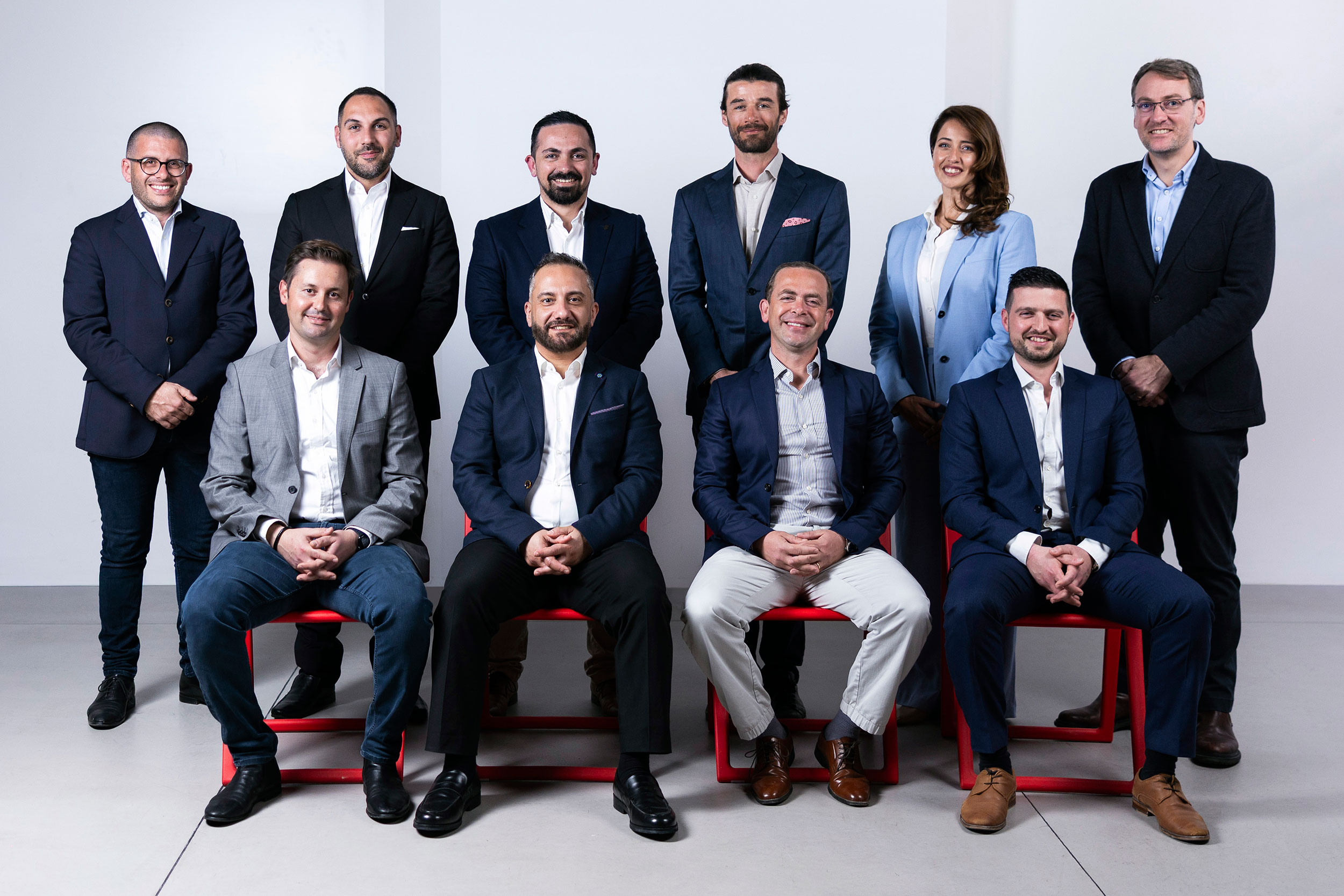
The Kamra tal-Periti, the statutory body regulating and representing the architectural and civil engineering profession in Malta, is pleased to announce the composition of its recently elected Council following the appointment of its official statutory leadership positions as follows:
President
Perit André Pizzuto
Vice President
Perit Matias Camilleri de Marco
Honorary Treasurer
Perit Ivynne Grixti
Honorary Secretary
Perit Julian Thompson
Council Members
Perit Paul Dalli
Perit Elaine Genovese
Perit Sebastian Grima
Perit Daniel Micallef
Perit Lino Micallef
Perit Malcolm Xuereb
The new Council, which will serve until December of this year, assumes office at a defining moment, not only for the profession, but for Malta’s construction industry more broadly. The Council’s term will be defined by a wide-ranging programme of legislative, regulatory, and policy work with direct consequences for the profession, the industry, and the Maltese public.
Chief among the Council’s priorities is the drafting of the first part of the new building and construction regulations on behalf of the Building and Construction Authority. This work represents foundational legislation that will modernise the regulatory framework governing how buildings are designed, constructed, and overseen. The quality and rigour of this framework has a direct bearing on building safety, construction standards, and the protection of the public interest.
In parallel, the Council will initiate the development of Malta’s first national architecture policy with the support of the Planning Authority. This is a landmark undertaking that will establish a long-term vision for architecture as a discipline in the service of the public, the quality of the built environment, and the cultural and social identity of the Maltese Islands. This policy will, for the first time, give formal national expression to the role that architecture plays in shaping the spaces in which people live their daily lives.
The Council will also continue the structural reform of the Kamra tal-Periti in preparation for the full implementation of key provisions of the Periti Act, including mandatory professional indemnity insurance and a framework for continuous professional development. These measures are not merely administrative. They represent a fundamental strengthening of the profession’s accountability to the public, and of the assurance that those engaging the services of a perit can expect.
The new Council will further advance the introduction of new specialisation chapters, building on the announcement of the Chapter for Conservation Architects, unveiled at the first seminar of the ongoing Concrete & Stone series on Maltese Modernist Architecture two weeks ago, as a model for recognising and deepening expertise across the full breadth of the profession.
A further critical area of the Council’s work is its active engagement with Government and the Planning Authority on Malta’s ongoing planning reform. The Kamra tal-Periti has a statutory and professional responsibility to contribute to shaping a planning system that is transparent, evidence-based, and genuinely responsive to the long-term needs of communities and the environment. The Council will continue to advocate for reform that places the quality of the built environment and the public interest at the centre of planning policy and decision-making.
The Council also assumes responsibility for the continuation of ongoing professional conduct investigations, including those arising from serious incidents affecting public safety. Among these is the investigation related to the structural collapse in Paceville in July 2025 which served as a stark reminder about the need to upgrade the industry with purpose, structure, and most importantly, competence. The Kamra tal-Periti is committed to conducting its investigative and disciplinary functions with rigour, impartiality, and transparency, in fulfilment of its duty to protect the public and to uphold the integrity of the profession.
The breadth and gravity of this mandate reflects the centrality of the perit’s role in Maltese society. From the safety of individual structures to the character of entire neighbourhoods, from the resilience of the construction industry to the liveability of our towns and villages, the profession touches the lives of every person in Malta. The Kamra tal-Periti is committed to discharging its statutory responsibility with the seriousness, dedication, and sense of public purpose it demands.
The Kamra tal-Periti looks forward to constructive engagement with Government, the construction industry, fellow professionals, and the general public as it works to fulfil this mandate in the interest of the profession and of the country as a whole.
https://kamratalperiti.org/wp-content/uploads/KTP-001-compressed.jpg16672500Kamra tal-Peritihttps://kamratalperiti.org/wp-content/uploads/logo-3-300x159.pngKamra tal-Periti2026-03-18 08:00:502026-03-23 16:00:21PR 02/26 | New KTP Council assumes office during critical year for the industry and the profession
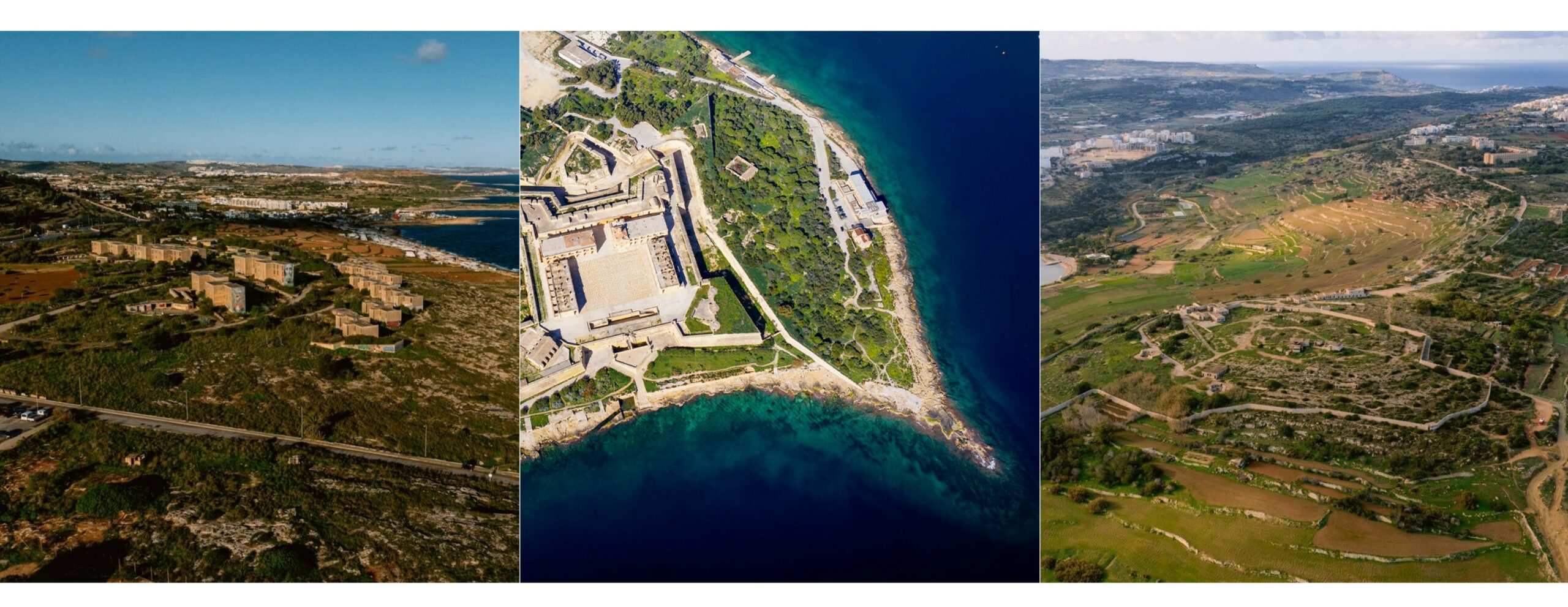
The Government of Malta’s proposal to establish national parks at Manoel Island, White Rocks, and Fort Campbell provides a significant opportunity to make a fundamental shift towards long‑term environmental stewardship, public accessibility, and cultural regeneration. The Kamra tal‑Periti welcomes this direction while emphasising that the success of these flagship projects depends on rigorous planning, strong design leadership, and a clear identity for each site.
In this context, and as a response to the Government’s Shape Your Space consultation through Parksinmalta.mt, the Kamra tal‑Periti is publishing a comprehensive reply Conserving Nature, Promoting Adaptive Reuse: Sustainable Stewardship of Malta’s National Parks. This publication outlines a vision for national parks in Malta and presents a framework to guide the transformation of these three major sites into Malta’s national parks.
Conserving Nature, Promoting Adaptive Reuse
The new national parks will only succeed if they are identity‑driven, embedded in a Baukultur principles, and their design procured by competition. The Kamra underscores the importance that the White Rocks, Manoel Island and Fort Campbell develop a unique, context-driven identity, grounded in their history. It is also stresses how across all three sites, existing buildings are to be considered as assets and not obstacles, promoting adaptive reuse. Most importantly, the Kamra calls for open and transparent architecture design competitions, to ensure excellence, transparency and public trust in the procurement of the design services. The organisation of architectural design competition is a guarantee of high-quality design outcomes as it pitches the best design proposals on the basis of merit before an expert jury, as opposed to conventional tenders which award contracts on the basis of cheapest price, which seldom results in the best use of public funds in the long-term.
The Kamra is offering its technical assistance in the organisation and management of architectural design competitions as it has done on a number of occasions with various public entities in the past. Several other key proposals can also be found in its detailed public consultation document.
Executive Summary
The Government of Malta’s proposal to establish National Parks at Manoel Island, White Rocks, and Fort Campbell provides a significant opportunity to make a fundamental shift towards long‑term environmental stewardship, public accessibility, and cultural regeneration. The Kamra tal‑Periti welcomes this direction while emphasising that the success of these flagship projects depends on rigorous planning, strong design leadership, and a clear identity for each site.
Distinct Identity for Each Park
The Kamra strongly recommends that each proposed National Park must develop a unique, context‑driven identity, shaped by its history, landscape, setting, and community relevance. Identity should act as a long‑term design and governance tool, preventing ad‑hoc decisions, avoiding over‑commercialisation, and ensuring spaces remain primarily for public enjoyment rather than revenue‑driven activities. [see section 2]
Regeneration Before Demolition
Existing structures across the three sites should be treated as assets, not constraints. Adaptive reuse provides environmental benefits through reduced embodied carbon, while preserving the cultural narratives embedded in the built fabric. Function must be central to any restoration strategy to ensure long‑term care, daily use, and active stewardship.
Quality‑Led Design Competitions
Given the national significance of the parks, KTP strongly advocates for independent, open design competitions, based on measurable outcomes in sustainability, heritage protection, spatial quality, and Baukultur principles. A two‑stage competition with professional remuneration ensures fairness, ambition, and excellence while reducing future maintenance burdens.
Alignment with Baukultur
The Baukultur framework reinforces a holistic, human‑centred approach to the built environment. For the National Parks, this requires:
Integrated planning of architecture, landscape, mobility, and heritage
Inclusive, accessible design for all ages and abilities
Long‑term stewardship, not short‑term intervention
Interdisciplinary collaboration and meaningful public engagement
Connectivity & Spatial Strategy
The parks must become part of a wider national green network. Priority should be given to:
Sustainable transport: walking, cycling, public transport, and in coastal contexts, maritime links
Restriction of vehicular penetration
Strong connections with surrounding communities through formal and informal spaces
Site‑Specific Potentials
The following identity proposals are only indicative, simply to show how each National Park can take on a distinct role within a larger network of public spaces, avoiding overlap and encouraging diversity.
White Rocks – A Coastal Cultural & Educational Park
With an extensive shoreline and a varied collection of buildings, White Rocks is well‑suited for a cultural, educational, and research‑oriented identity. The site can become a national hub for environmental awareness, science, outdoor learning, and adaptive reuse. Its coastal setting supports low‑impact recreation and landscape‑driven design.
Manoel Island – An Urban Park
Manoel Island’s location within a dense urban context positions it as an active city park with strong recreational, sporting, and maritime potential. Its identity should emphasise daily use, walkability, and integration with Valletta, Sliema, and Gżira. Existing military and hospital structures offer significant opportunities for adaptive reuse.
Fort Campbell – A Landscape & Heritage Park
Fort Campbell’s remote coastal setting and unique military fabric lend themselves to a landscape‑led, contemplative park rooted in ecology, memory, and heritage conservation. The site requires sensitive intervention, extensive restoration, and careful phasing due to its fragile condition. Its identity should privilege nature, tranquillity, and minimal built intervention
https://kamratalperiti.org/wp-content/uploads/PR-natpark.jpg9241640Fabio Sciclunahttps://kamratalperiti.org/wp-content/uploads/logo-3-300x159.pngFabio Scicluna2026-03-10 15:11:382026-03-11 09:36:45PR 01/26 | KTP calls for identity-driven quality design in the establishment of the three proposed national parks
Over the past two days, the Kamra tal-Periti hosted delegates from Mediterranean architectural associations for a conference on Cultural Resilience and the Union of Mediterranean Architects’ General Assembly.
On Friday, the UMAR General Assembly adopted the declaration moved by the KTP calling for a culturally, socially, and humanely sensitive reconstruction of Gaza, denouncing any attempts to undertake speculative development unrelated to the endemic population’s needs.
The motion, presented by KTP President Perit André Pizzuto, calls on the international community to set up an independent international assessment, with the participation of UNHABITAT, UNESCO, and UIA, of the destruction inflicted on Gaza’s built environment, heritage, and civilian infrastructure.
The motion also calls on “all architects, planners, and built-environment professionals worldwide to uphold their ethical obligation to refrain from participating in projects that contribute to forced displacement, settlement expansion, speculative development unrelated to the endemic population’s needs, or violations of international humanitarian law.”
On Thursday, KTP organised a conference which investigated the impact of climate change, tourism, and armed conflicts on cultural heritage within the Mediterranean region. European Commissioner for Culture Glenn Micallef and other distinguished international and local speakers delivered inspiring presentations which are expected to form the basis for future international collaboration on regional cultural projects over the months ahead.
https://kamratalperiti.org/wp-content/uploads/Dec-4.jpeg10001500Fabio Sciclunahttps://kamratalperiti.org/wp-content/uploads/logo-3-300x159.pngFabio Scicluna2025-11-28 18:16:442025-11-29 09:56:55PR 16/25 | Union of Mediterranean Architects’ General Assembly held in Malta approves KTP motion calling for culturally sensitive and humane reconstruction of Gaza
In a landmark ruling delivered this morning, the First Hall of the Civil Court (Constitutional Jurisdiction), presided over by Justice Henri Mizzi, confirmed that the laws and regulations governing the Kamra tal-Periti’s disciplinary procedures, when taken as a whole, do not infringe the right to a fair hearing.
The judgment followed a request for a constitutional reference filed earlier this year by periti Roderick Camilleri and Anthony Mangion as part of their appeal against the KTP Council’s decision to suspend their warrant due to professional shortcomings related to the tragedy that led to Miriam Pace’s death in 2020.
The appeal centred on several constitutional matters, including an alleged lack of impartiality arising from the Council’s dual role in conducting preliminary investigations and making disciplinary determinations. The Court found that while this arrangement, taken in isolation, could appear to breach Article 39 of the Constitution and Article 6 of the European Convention on Human Rights, the disciplinary process as a whole – particularly the unrestricted right of appeal to the Court of Appeal – provides full safeguards to periti and satisfies the requirements of a fair hearing.
The Kamra tal-Periti welcomes this judgment and looks forward to further strengthening its disciplinary and regulatory functions in the months ahead, supported by the resources allocated in the recent budget and through partnerships with various public and private entities.
The Kamra underscores the importance of effective and well-resourced professional bodies tasked with self-regulation which is free from political interference is essential to safeguard the public interest and the standing of the profession.
The Kamra was represented in these proceedings by Dr Joseph Mizzi and Dr Ylenia Busuttil of Muscat Mizzi Advocates. This decision is still subject to appeal.
The Kamra tal-Periti welcomes the Government’s recent announcement to designate the White Rocks site as a National Park, a landmark decision that will safeguard this coastal area from future development. This initiative represents a significant step toward environmental stewardship and sustainable land use.
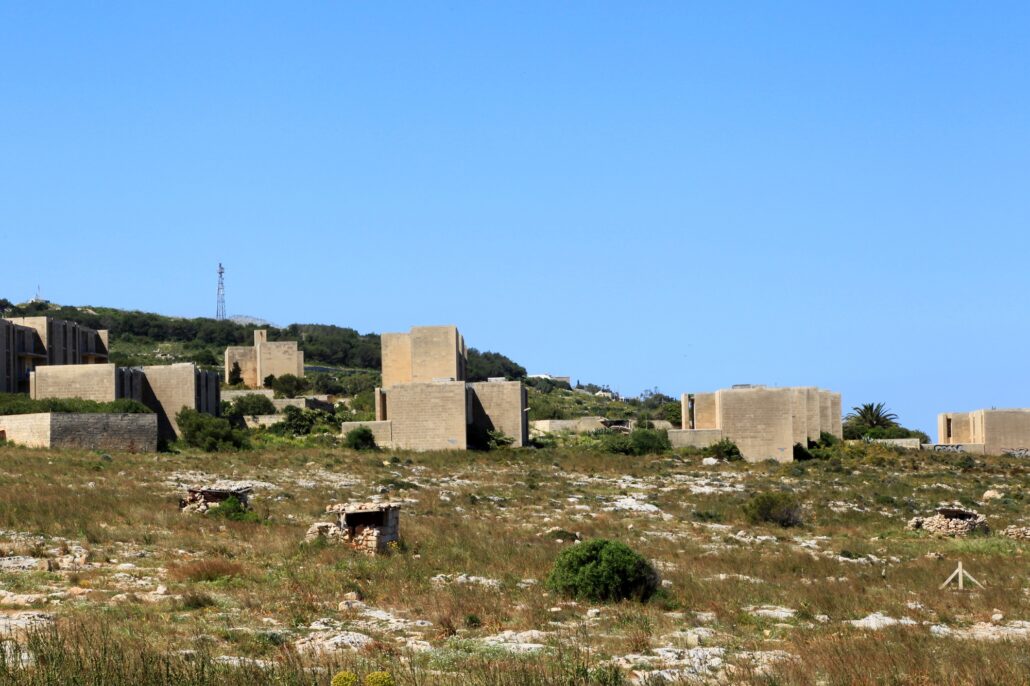
In this regard, the Kamra strongly urges that this vision be extended to include the protection and restoration of the historic White Rocks Barracks, originally known as the Officers’ Married Quarters. Constructed in the 1960s under the War Office Works Directorate. These buildings are a rare example of modernist military and residential architecture in Malta. Designed by leading Maltese and British architects, the complex was celebrated internationally, featuring twice in international magazine The Architectural Review (1965 and 1969) for its “simple dignity” and harmonious integration with the landscape.
The ‘tower-in-park’ design adopted at the White Rocks is a modernist concept, championed by Le Corbusier. Across the European continent, in cities like Berlin, Amsterdam, London, modernist housing estates embraced this concept which placed multi-unit blocks within landscaped areas. This urban design principle of the last century is a direct product of the experimentation and advances of the architecture and technological industries at the time, and it should be protected both as built heritage, as well as cultural landscape
The Kamra tal-Periti supports the Government’s designation of White Rocks as a National Park but insists that the conservation of this complex cannot be a success if either the built or the natural fabric is excluded. Therefore, the Kamra advocates for a wholistic approach towards the area, inclusive of full protection and restoration of the original 1960s barracks. White Rocks is an opportunity for a unique cultural landscape on the islands, and the Kamra trusts that adaptive reuse strategies, serving a cultural and educational purposes, are employed.
The Kamra recommends that:
The White Rocks complex is afforded statutory protection under both the Development Planning Act and the Cultural Heritage Act, and
That the regeneration project of the area is undertaken through an architectural design competition.
A Brief Historical Timeline
1960s – Built as Officers’ Married Quarters for British military personnel, showcasing modernist design principles.
1979 – British forces withdraw; site handed over to Maltese authorities.
1980s–1995 – Converted into a holiday complex serving language students.
1995 onwards – Site abandoned; multiple redevelopment proposals fail.
2025 – Government announces designation as a National Park.
https://kamratalperiti.org/wp-content/uploads/WhiteRocks.jpg13332000Fabio Sciclunahttps://kamratalperiti.org/wp-content/uploads/logo-3-300x159.pngFabio Scicluna2025-11-11 16:52:392025-11-11 16:53:39PR 14/25 | Kamra tal-Periti calls for preservation of modernist military heritage at White Rocks
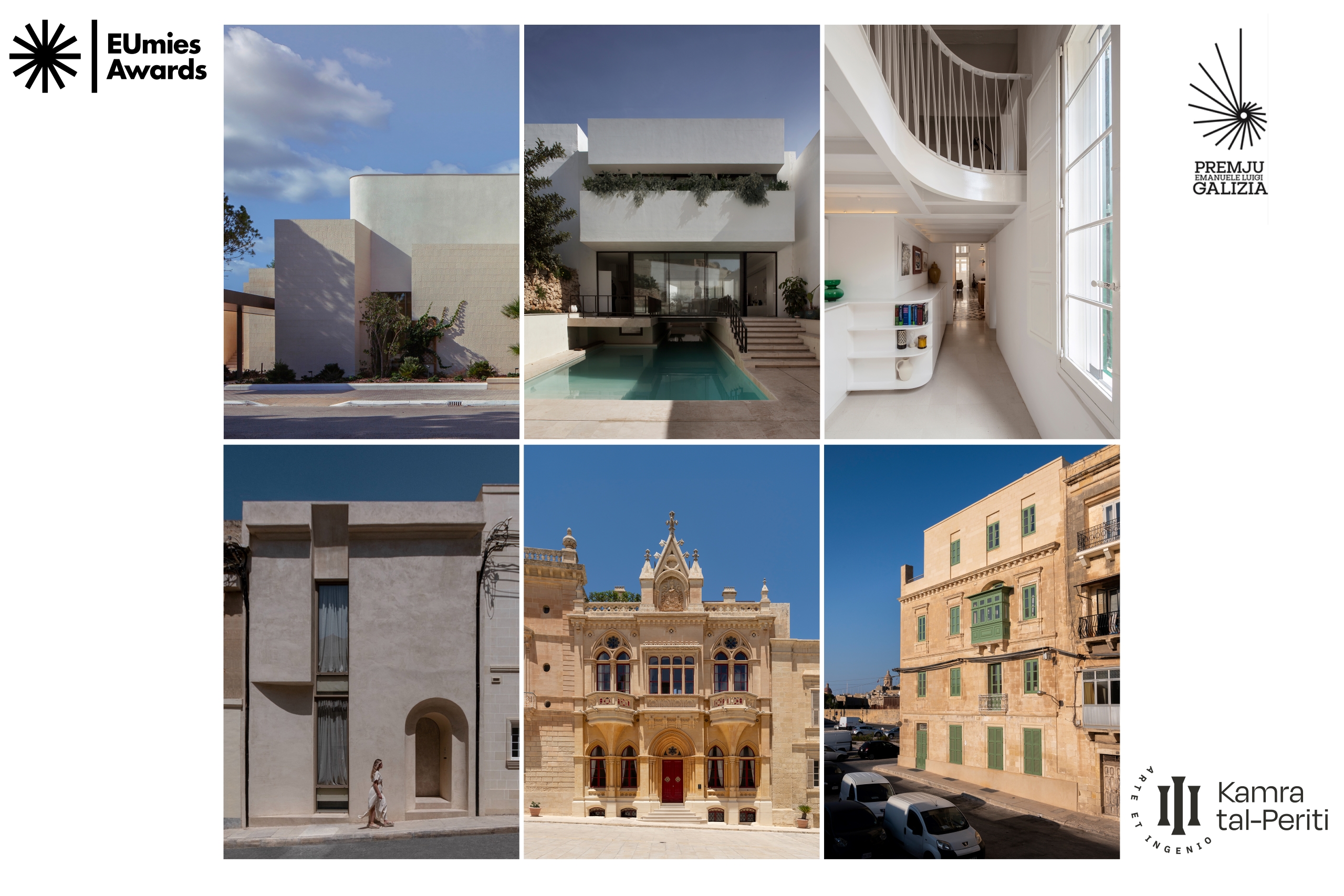
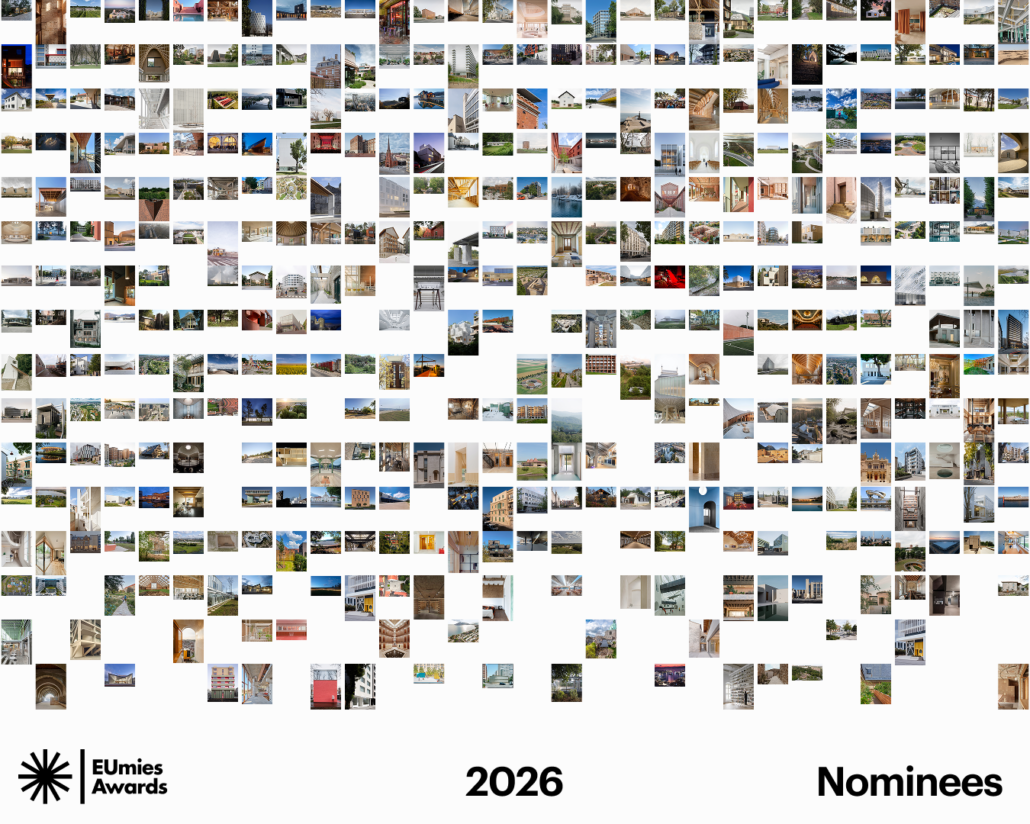
Following a formal request for nominations from The European Commission and Fundació Mies van der Rohe earlier this year, 410 nominees for the prestigious EUmies award, 2026 were announced last week. Six of the nominees are Maltese projects;
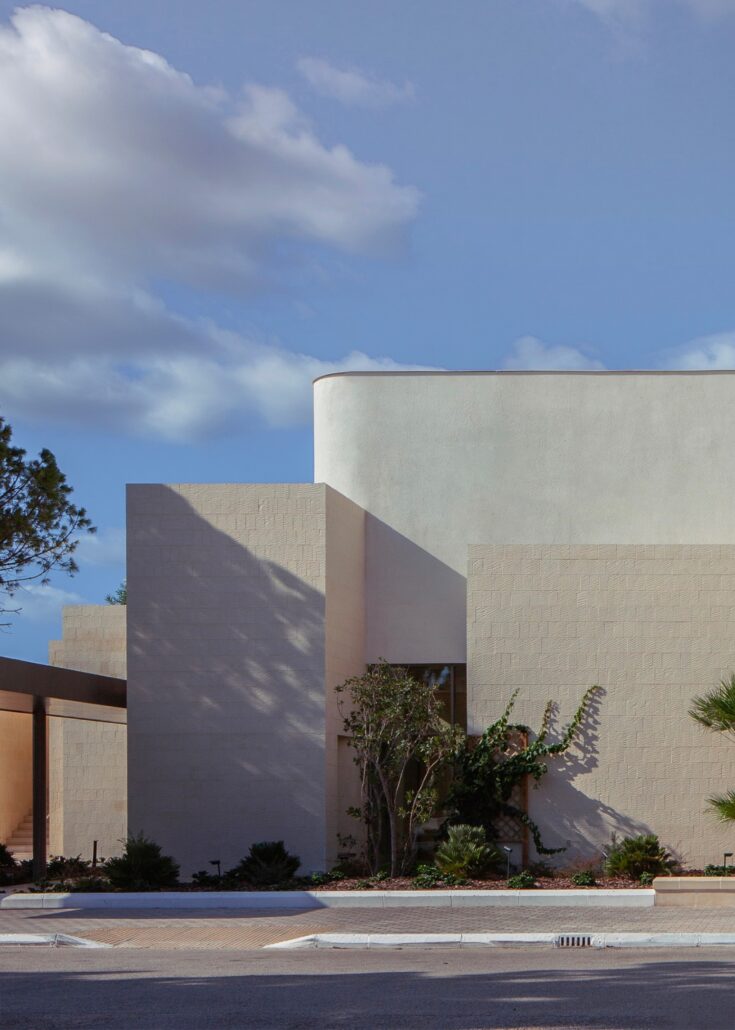
Malta International Airport VIP Terminal (Luqa), by Valentino Architects (Hospitality Design Award winner, Premju Galizia 2025)
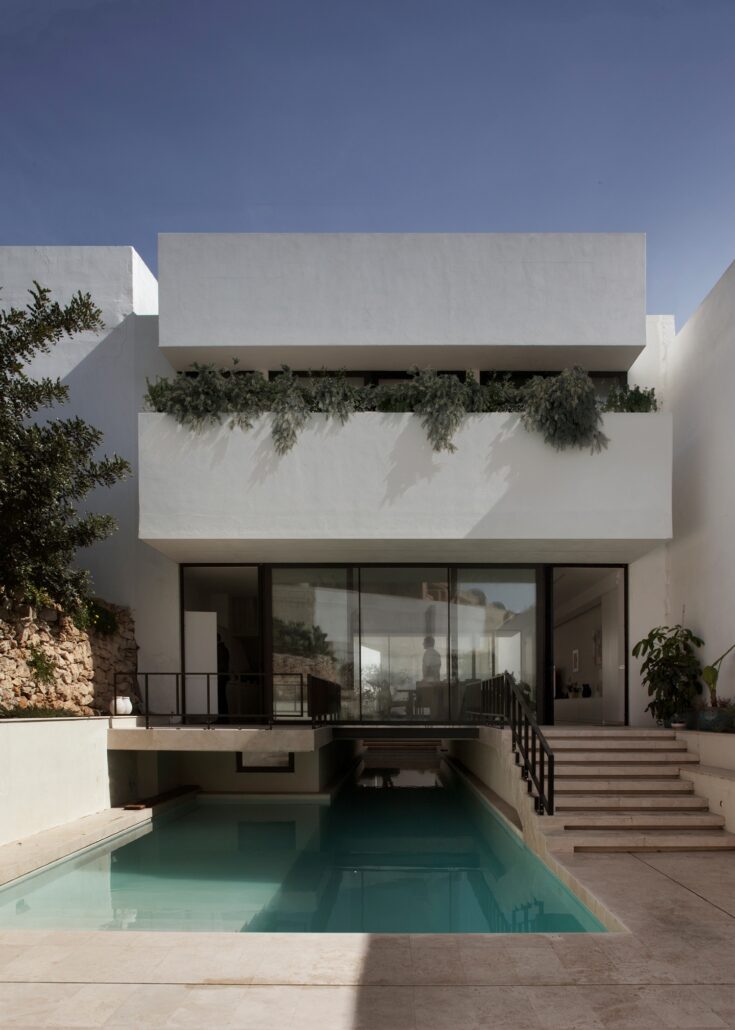
BOTHOUSE (San Ġwann), by SON Architecture (Design Excellence Award winner, Premju Galizia 2024)
Casa Ursula (Valletta), by Open Work Studio (Interior Architecture Award winner, Premju Galizia 2024)
Twentyfour (Rabat), by 3dmarchitecture (Interior Architecture Special Commendation, Premju Galizia 2024)
Casa Gourgion (Mdina), by MODEL CVC architecture (Heritage Preservation Award winner, Premju Galizia 2024)
Dar Tereża (Bormla), by Local Office for Architecture (Community Impact Award winner, Premju Galizia 2024)
Initiated in 1988, the Prize is awarded by the European Commission and Fundació Mies van der Rohe. It recognises excellence, innovation, and sustainability in architecture, and highlights the transformative power of design in shaping Europe’s environment and society. All the works participating in the EUmies Awards Architecture & Emerging are nominated by European independent experts, the national architecture associations and the Prize Advisory Committee. The Kamra tal-Periti, as the national association, was asked to recommend 5 projects for this award. The Kamra’s recommendations were selected from the winners of the Premju Emanuele Luigi Galizia 2024. In addition, a sixth project was nominated by the independent experts
This 19th cycle of the Prize, with the support of the European Union’s Creative Europe Programme, brings together 410 works from 40 countries and 143 regions, reflecting the diversity, creativity, and richness of Europe’s architectural landscape. Submitted by a broad network of national architectural associations, independent experts, and the Advisory Committee, the nominations showcase the most significant built works completed between May 2023 and April 2025.
From this list, the jury will identify a shortlist of 40 outstanding projects which will be announced in January 2026, narrowing it down to seven finalists the following month. In spring 2026, jury members will visit the sites of the finalists, engaging directly with architects, clients, users, and local communities. The winners in the Architecture and Emerging Architecture categories will then be unveiled in Oulu—one of the two 2026 European Capitals of Culture—in April 2026, celebrating projects that define the future of European architecture.
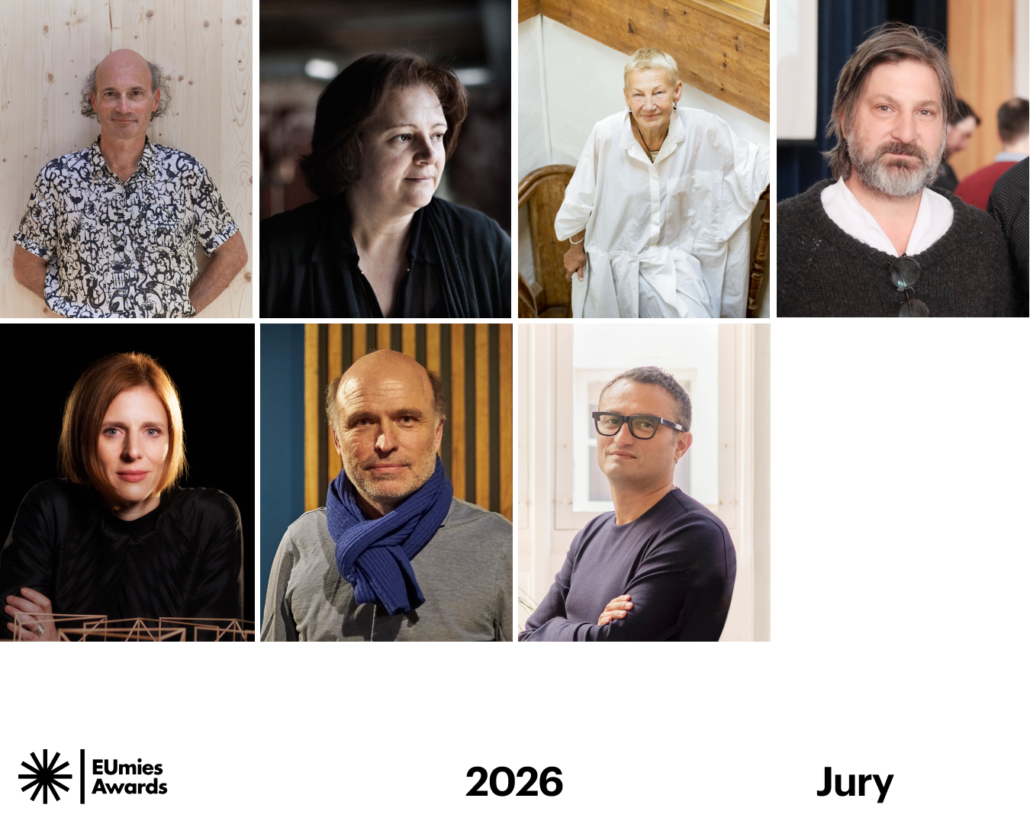
The announcement of last week also revealed the jury panel for this cycle, which features Maltese architect Chris Briffa, Founder of Chris Briffa Architects, along Carl Bäckstrand (Sweden), Zaiga Gaile (Latvia), Tina Gregorič (Slovenia), Nikolaus Hirsch (Germany/Belgium), Rosa Rull (Spain) and chaired by Smiljan Radić.
The Kamra wishes the best of luck to all six local nominees in this competition.
https://kamratalperiti.org/wp-content/uploads/EUmies26.jpg17062559Fabio Sciclunahttps://kamratalperiti.org/wp-content/uploads/logo-3-300x159.pngFabio Scicluna2025-11-10 16:00:072025-11-10 16:35:49PR 13/25 | European Union Prize for Contemporary Architecture – Mies van der Rohe Awards 2026 (EUmies Awards)
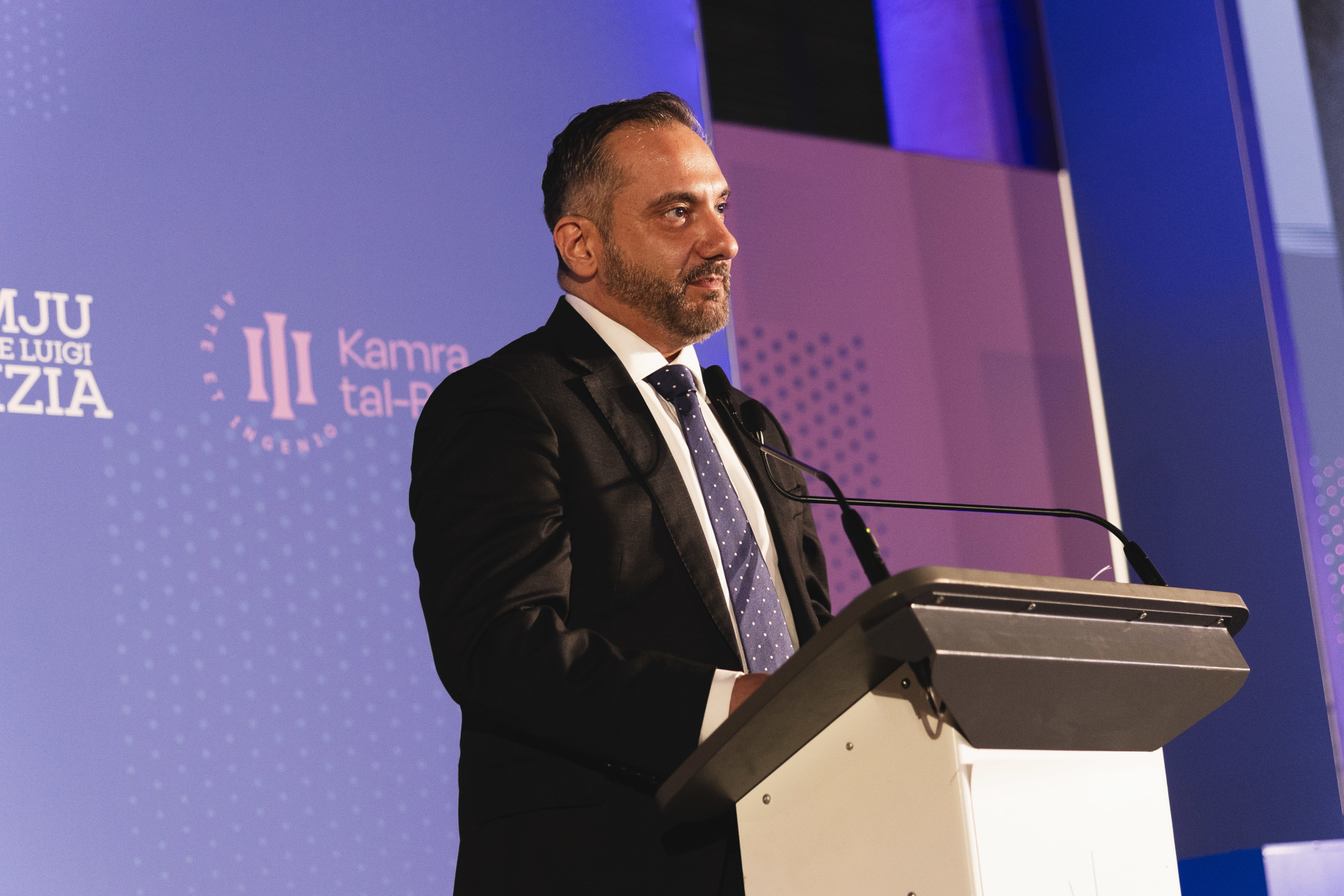
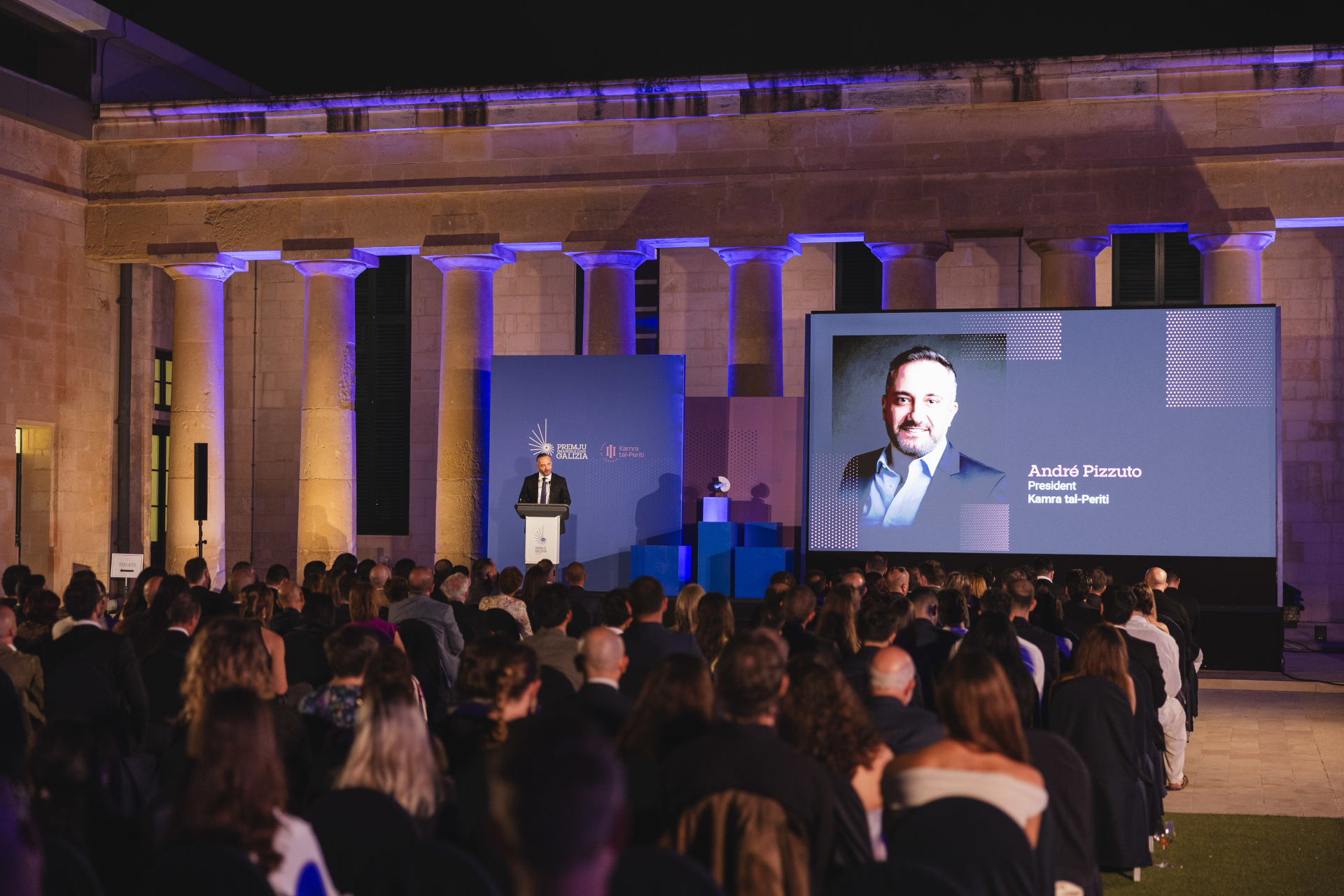
During Saturday’s National Awards for the Built Environment, Premju Emanuele Luigi Galizia 2025, the President of the Kamra tal-Periti called for a prioritisation of design quality and for respect towards the role of Periti in shaping the built environment.
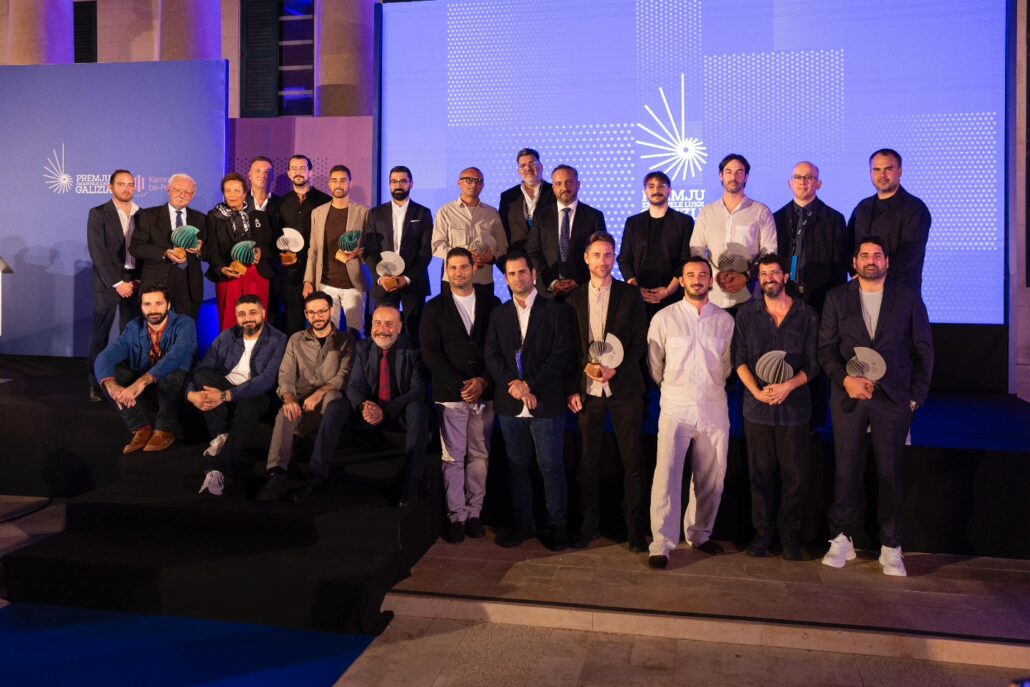
These remarks came at the end of the largest-scale Premju Galizia organised by the Kamra tal-Periti so far, which spanned over six days, culminating in the awards ceremony on Saturday night, with over forty nominations considered, in eight different categories. For the event, both the Executive Chairperson of the Planning Authority, Mr Johann Buttigieg and the Superintendent of Cultural Heritage, Mr Kurt Farrugia were in attendance. The Planning Authority was the national partner of this event, whilst the Superintendence of Cultural Heritage and JMV Vibro Steel Limited also supported the event as platinum partners.
Perit André Pizzuto spoke about this year’s theme for the awards: Legacy. This was introduced earlier by the Artistic Director for Premju Galizia, Perit Joeaby Vassallo (I+A), who asked the question, “What would Galizia do?” as this year’s point of reflection — a question that set a compass which guided the international jury in measuring how the submissions align with Galizia’s values and his enduring standard of quality. Pizzuto emphasised that legacy is both what we inherit and what we leave behind. It reflects how decisions today shape the future of Malta.
In the lead up to the President’s Award, a yearly recognition of the best submission or nomination during the night, KTP’s President underlined the challenges in the planning approval process, often undermining design integrity, leading to compromises and diminished architectural quality. This, Perit Pizzuto said, is exacerbated by clients prioritising permits over good architecture, calling for a reform in the system to prioritise design quality and foster respect towards the professions.
In light of the ongoing debate on the proposed planning reforms, Perit Pizzuto highlighted the importance of trust and dialogue, whilst expressing disappointment at the current public debate, overly focused on legal outcomes rather than achieving good architectural outcomes for the community. The KTP president mentioned the ongoing work to develop a National Architecture Policy, to which he happily acknowledged Mr Buttigieg’s earlier intervention, in which it was confirmed that Planning Authority will be moving on with this policy, in collaboration with the Kamra tal-Periti. The speech concluded with a call to ensure Malta’s future reflects thoughtful, courageous, and purposeful design, serving the greater good, as well as acknowledgement to the jury, sponsors and contributors of the event.
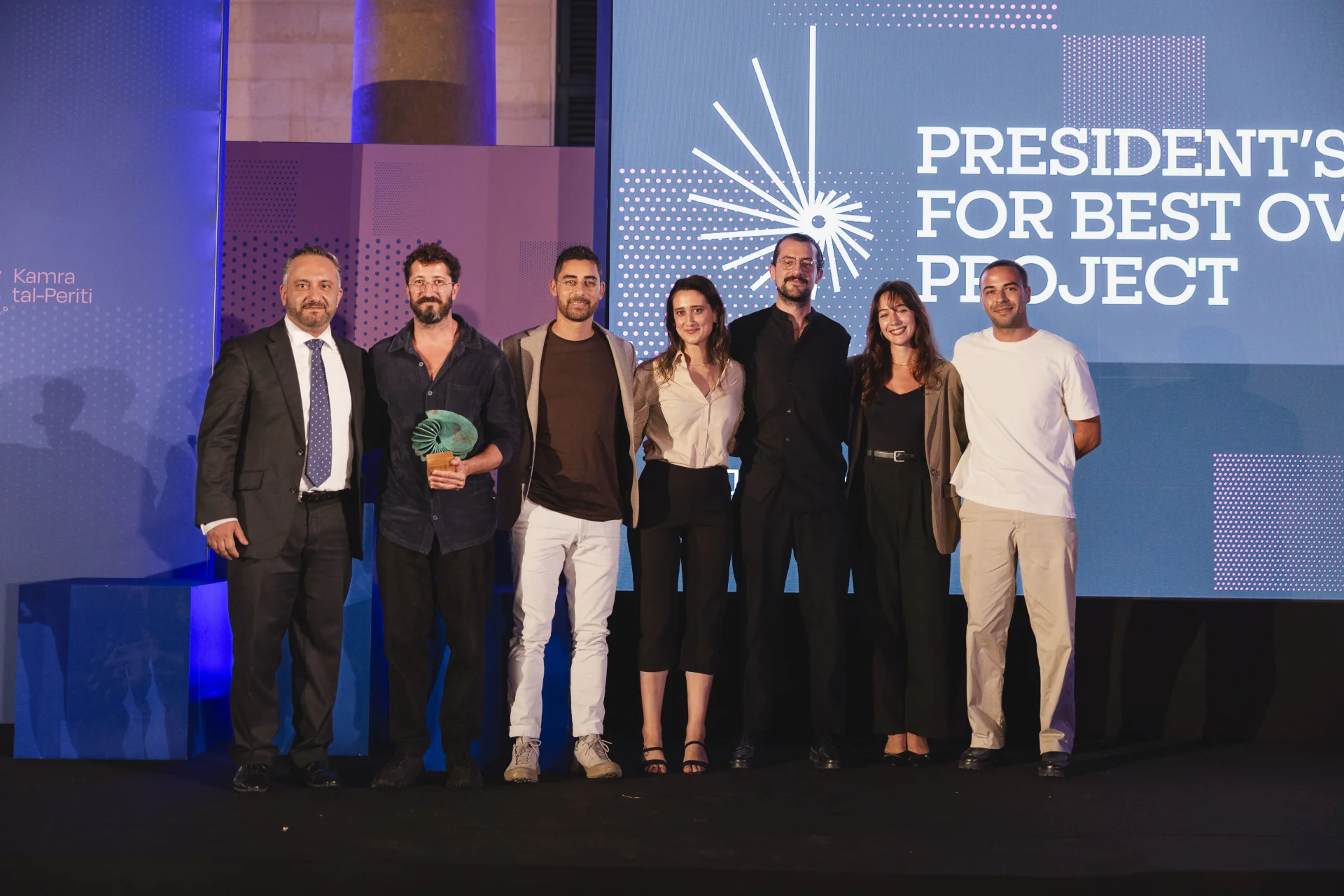
After the categorial awards, the KTP further recognised Ms Simone Mizzi, Perit Vincent Cassar and Valentino Architects with the Galizia Leadership Award, Lifetime Achievement Award and President’s Award, respectively. Vice President of the Kamra tal-Periti, Perit Matias Camilleri de Marco outlined how through decades of tireless service, Ms Simone Mizzi never led from a distance, and her influence extended beyond the Maltese shores. Citing personal inspiration from Malta’s archaeology and historic fabric, Perit Camilleri de Marco awarded the Galizia Leadership Award, stating that Mizzi’s work remind us that leadership in architecture and heritage is, at its heart, about stewardship.
Perit Nicholas Mallia, Honorary Secretary of the Kamra followed by highlighting decades of devotion to shaping Malta’s physical and environmental landscape of Perit Vincent Cassar. Perit Mallia presented the Lifetime Achievement Award to Perit Cassar, describing him as a true gentleman, pragmatic and level-headed, never to be swayed by noise and always focused on what is fair, reasonable, and right for the profession and for Malta.
Finally, the President Award 2025 was awarded to Valentino Architects, in what Perit André Pizzuto said was a clear recommendation by the international jury, diverting from previous years where the award recognised the ‘winner of winners’ amongst all awarded designs. The jury’s recommendation was based on the high quality of the several entries in different categories by this firm which spoke to their remarkable consistency and high design ethic.
https://kamratalperiti.org/wp-content/uploads/KTPPresidentELGA2025.jpg12801920Fabio Sciclunahttps://kamratalperiti.org/wp-content/uploads/logo-3-300x159.pngFabio Scicluna2025-10-27 17:47:422026-03-12 12:21:31PR 12/25 | Prioritise Good Architectural Outcomes Rather Than Good Legal Outcomes, KTP President during Premju Galizia
The Kamra tal-Periti (KTP) joins architects worldwide in celebrating World Architecture Day 2025, established by the International Union of Architects (UIA). This year’s theme, “Design for Strength”, calls on architects to embrace approaches that enable the built environment to withstand, adapt, and regenerate while promoting equity, continuity, and resilience.
At a time when Malta’s planning system has once again become the subject of public controversy, this theme resonates profoundly. The recent debates surrounding the government’s proposed planning law reforms have reignited public frustration over overdevelopment, the erosion of environmental quality, and the growing disconnection between planning policy and public wellbeing.
Yet, amid the polarisation between developers and environmental activists, architecture – the very discipline that shapes the spaces we live in – has been completely sidelined.
For decades, Malta has been burdened with a planning system designed to legalise architecture rather than enable it. A system that seeks to codify design into rules and formulas, believing that good architecture can be legislated into existence. It cannot.
While legal certainty is essential for regulating processes, it is anathema to the creative and contextual nature of architecture. Laws may provide clarity for lawyers defending or contesting permits, but they do little to support architects striving to create spaces that uplift communities, respect context, and enhance the environment. The evidence of this failure is visible in every corner of our towns and landscapes.
KTP notes with dismay the mockery expressed in public debate toward proposals aimed at elevating spatial, architectural, and contextual considerations in planning decisions. These are not subjective whims; they are the very foundation of high-quality, resilient, and meaningful built environments.
To “Design for Strength” in Malta, we must first design for integrity – of our profession, our institutions, and our public spaces. True resilience in the built environment requires a vision that transcends short-term interests and procedural certainty. It requires a commitment to architecture as a cultural, social, and environmental act.
For this reason, on this World Architecture Day, the Kamra tal-Periti reiterates its long-standing call for Government to partner with it for the development of a National Architecture Policy for Malta – one of only two European countries that still lacks such a framework. This policy would establish a national vision for architecture, urban design, and placemaking rooted in quality, sustainability, and cultural identity.
https://kamratalperiti.org/wp-content/uploads/3-C1000-GARDENS-LAGOON-VIEW-1.jpg10131800Kamra tal-Peritihttps://kamratalperiti.org/wp-content/uploads/logo-3-300x159.pngKamra tal-Periti2025-10-06 07:00:112025-10-06 07:06:18PR 11/25 | KTP marks World Architecture Day 2025: Reiterates call for National Architecture Policy
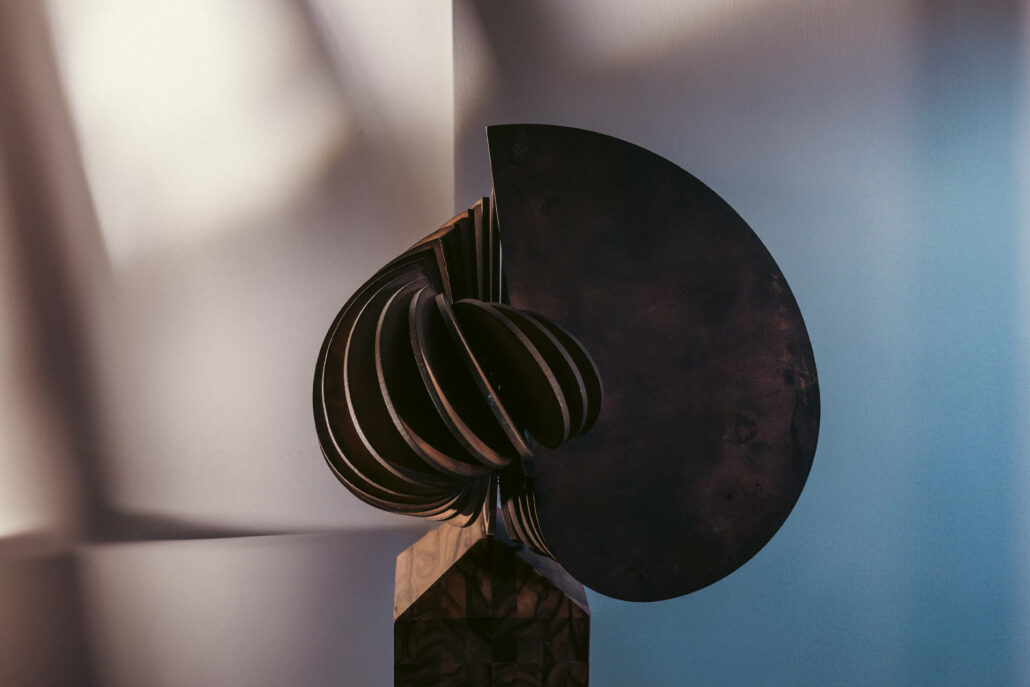
Kamra tal-Periti has officially launched the 2025 edition of the Premju Emanuele Luigi Galizia, Malta’s national architecture awards. Entries are now being accepted online at www.premjugalizia.org, with a closing date of 26 September 2025.
To mark this occasion, KTP President André Pizzuto wrote an open letter to the profession highlighting the need for architects and civil engineers to adopt values grounded in rigorous attention to detail, a sense of civic duty, and a holistic view of how buildings sit within wider urban systems, inspired by Emanuele Luigi Galizia after whom the national architecture awards organised by the Kamra are named – one of Malta’s most significant 19th-century architects and civil engineers.
The Premju Galizia recognises excellence in architecture, urban design, engineering and conservation within the built environment across Malta and Gozo. The awards foreground multidisciplinary teamwork, encouraging submissions from full project teams rather than individuals.
Clients, architects, engineers, designers and specialists all share in the recognition. In his letter, Pizzuto outlined the values underpinning this year’s edition: “Good architecture is not only about strong design concepts, but also about effective engineering and meticulous detailing solutions, the urban forms and spatial impacts, the sensitive conservation strategies, skilled execution of works, and the stamina and financial backing of clients”.
Award categories have been strategically chosen to reflect pressing national priorities: adaptive reuse of existing buildings, density and housing, hospitality, open space design, and public projects. The programme is inspired by the legacy of Emanuele Luigi Galizia, whose values, rigour, civic commitment, and systemic thinking, remain urgently relevant today.
Shortlisted projects will be invited to present publicly during awards week in October
2025 at Villa Bighi, Kalkara.
Submissions must include the full list of team members, with their consent. Guidance, eligibility, and submission requirements can be found in detail at www.premjugalizia.org.
https://kamratalperiti.org/wp-content/uploads/ELGATrophy-4.jpg12801920Kamra tal-Peritihttps://kamratalperiti.org/wp-content/uploads/logo-3-300x159.pngKamra tal-Periti2025-08-20 12:08:382025-08-20 12:14:51PR 10/25 | A Legacy of Excellence - KTP President sends open letter to the profession