
Architecture at the Heart of Europe’s Cultural Future: Insights from Copenhagen
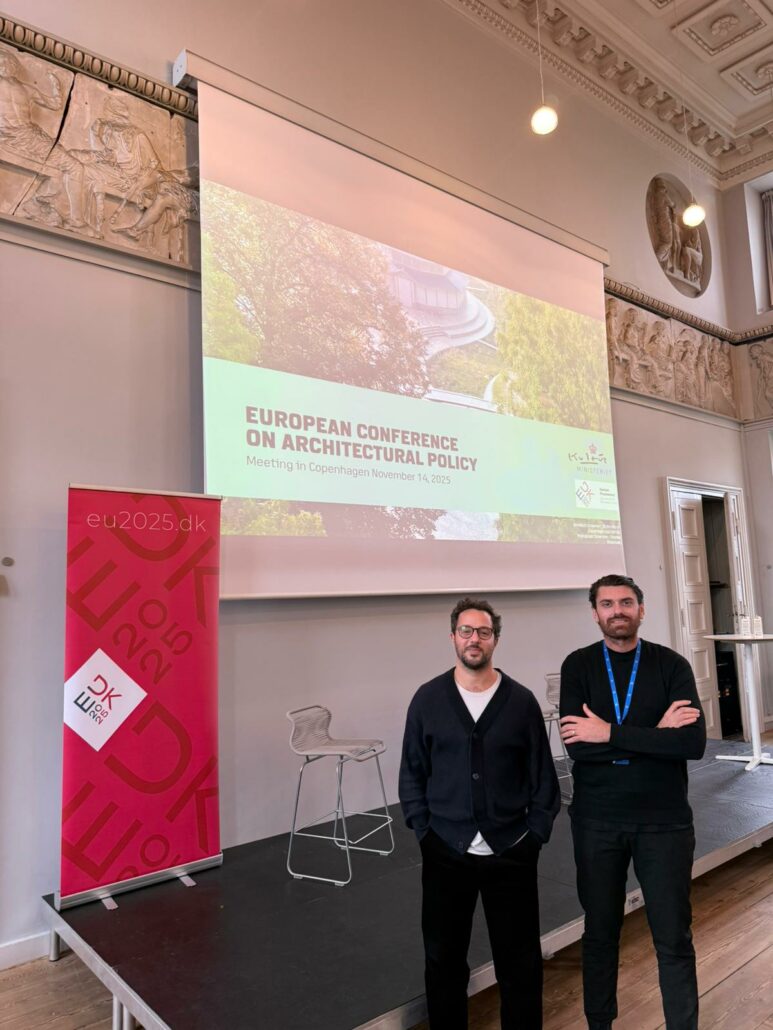
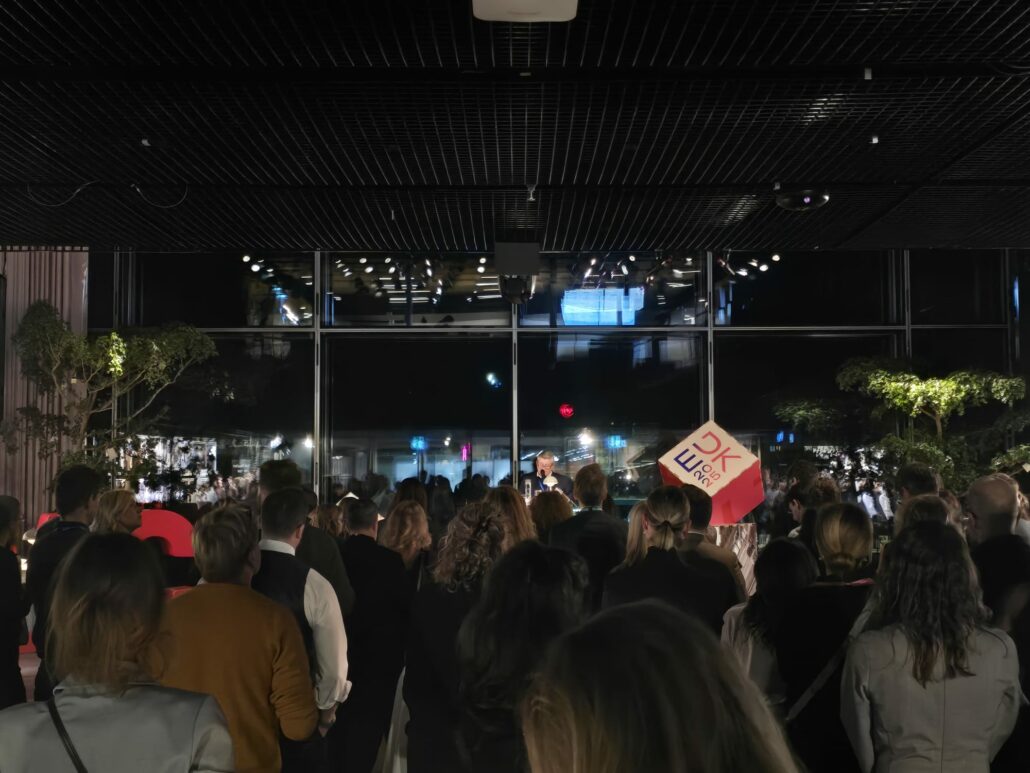
The launch of Denmark’s new architectural policy in Copenhagen provided a platform for European leaders, practitioners, and cultural stakeholders to reaffirm architecture’s expanding role in shaping societal wellbeing, sustainability, and competitiveness. Speakers highlighted that architecture today is inseparable from broader cultural and educational ecosystems. Denmark’s presidency was commended for embedding architecture firmly within cultural policy, positioning it as a driver of innovation, healthy environments, and economic vitality. The discussions underscored that investment in culture and creative industries—supported by programmes such as the International Plus initiative—strengthens the connection between education, real-world design, reconstruction, and the cultivation of resilient communities.
A recurring theme was cultural diversity as a foundational European value. The new Culture Communication document was presented as a milestone in recognising how diverse cultural expressions enrich citizens’ lives, with architecture explicitly referenced as a tool for creating high-quality living environments. Participants emphasised the continuing influence of the Bauhaus movement on modern design and Europe’s reconstruction agenda, setting the stage for the emerging European Powerhouse initiative—a framework aimed at strategically coordinating cultural and architectural ambitions across the continent.
Speakers also addressed pressing challenges confronting Europe’s built environment. Museums face operational and financial strain, while the continent urgently requires a coherent affordable housing strategy. Architecture, they argued, must remain central to public policy to ensure that design excellence and social responsibility drive decision-making. New policies for defence and industrial capacity were discussed, with calls to ensure that cultural and creative sectors are not sidelined. Several pilot projects will be launched to demonstrate the transformative potential of culture in rural and peripheral regions.
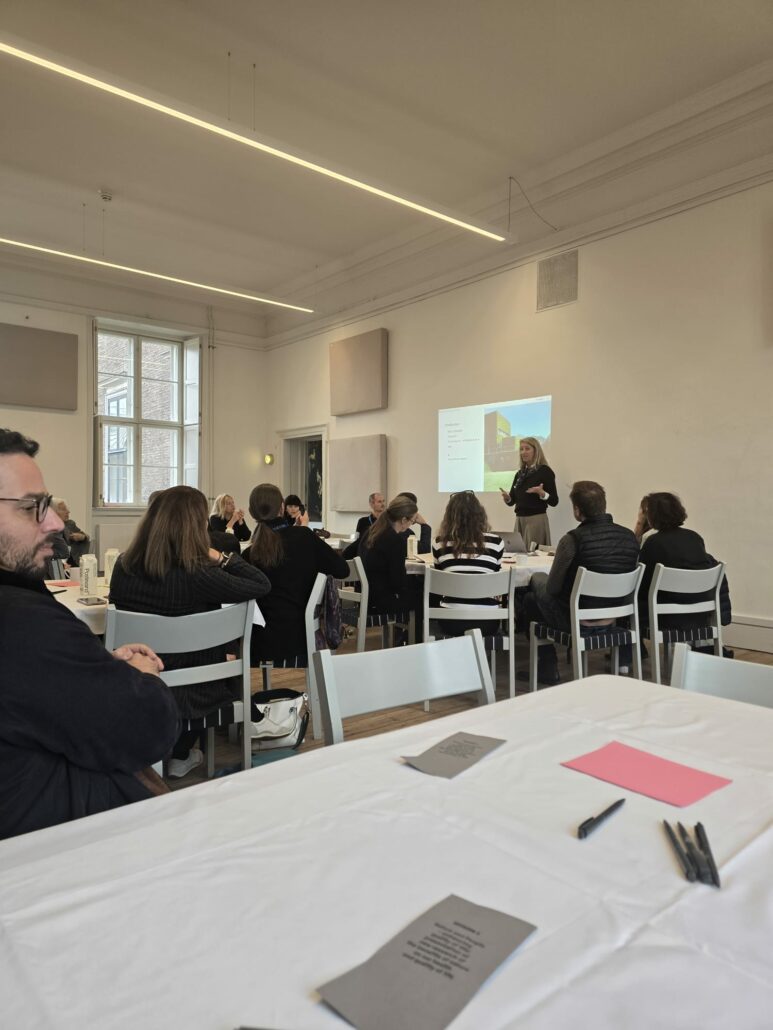
Architects and practitioners shared examples of innovative projects illustrating the breadth of contemporary architectural thinking. Presenters stressed the importance of approaching architecture through integrated lenses—landscape, mobility, and strategic urban planning—especially in the context of climate change, social fragmentation, and declining public spaces. High-quality social infrastructure, climate-aligned urbanism, and collaborative design processes were highlighted as effective pathways for creating resilient cities.
International case studies from Denmark, the United States, and Shanghai reinforced the value of working sensitively with existing infrastructure. Projects transforming riverfronts, public transit corridors, and former industrial areas demonstrated how strategic planning principles can enhance connectivity and radically improve daily life for millions.
The European Bauhaus initiative emerged as a unifying thread across the event. Speakers described its mission to integrate sustainability, inclusion, and aesthetics in reshaping urban environments. With broad collaboration involving companies, NGOs, and communities, the initiative is developing shared principles and a manifesto to guide architectural transformation across Europe. The experience of Ljubljana, which applied Bauhaus principles to redevelop a large warehouse district, illustrated the challenges and rewards of participatory and community-driven urbanism.
The Copenhagen discussions converged on a clear message: nature connectedness must be embedded at the heart of Europe’s architectural and urban development agenda. Local initiatives, supported by national strategies and EU-level coordination, are essential to overcome barriers such as limited space, funding, and public resistance. Blue-green infrastructure, community-driven design, and cross-sector collaboration—spanning developers, governments, educators, and civil society—will be vital for building cities that are socially resilient, environmentally regenerative, and culturally meaningful. Continued research, experimentation, and shared learning across Europe will be crucial to advancing this integrated vision for sustainable urban transformation.